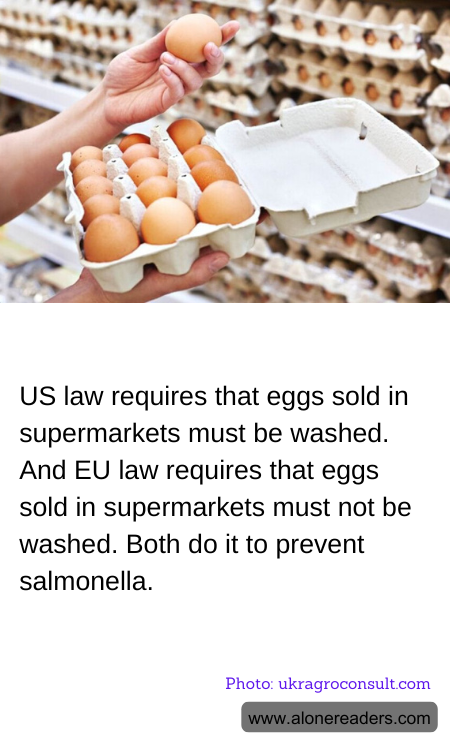
In the United States, the regulation surrounding egg sanitation is quite strict. To minimize the risk of salmonella contamination, the US Department of Agriculture (USDA) mandates that all eggs intended for commercial sale must undergo a thorough cleaning process. This process typically involves washing the eggs with soap and hot water which is at least 90°F and then rinsing them with a spray of hot water, followed by the application of a sanitizing solution. The rationale behind this regulation is that washing eliminates potential pathogens from the eggshell, effectively reducing the risk of foodborne illness.
However, in the European Union, the approach to preventing salmonella is notably different. EU regulations prohibit the washing of eggs. The logic here is that eggshells contain a natural protective barrier called the "cuticle" or "bloom". Washing eggs can damage this protective layer, making the eggs more susceptible to contamination as pathogens could more easily permeate the washed shell. Instead of washing, EU guidelines emphasize proper handling and maintaining a clean environment from the farm through to the supermarket. This includes strict controls on hen health and cleanliness, as well as the temperature and hygiene of the storage and transport environments.
These distinct approaches reflect broader differences in food safety philosophy between the US and EU. The US focuses on decontamination measures post-production, employing physical and chemical methods to ensure the safety of foods. The EU, on the other hand, often emphasizes preventive measures throughout the supply chain, aiming to maintain natural protective properties and minimize intervention.
Both methods aim to protect consumers from salmonella, a bacterium that can cause significant health issues, ranging from fever and diarrhea to more severe infections. Despite their differences, both systems have been effective in their own contexts, aligning with each region's broader regulatory, environmental, and consumer preference frameworks. The choice of method involves a balance of scientific, economic, and cultural factors, each aiming to ensure the highest levels of food safety.
