More About This Card
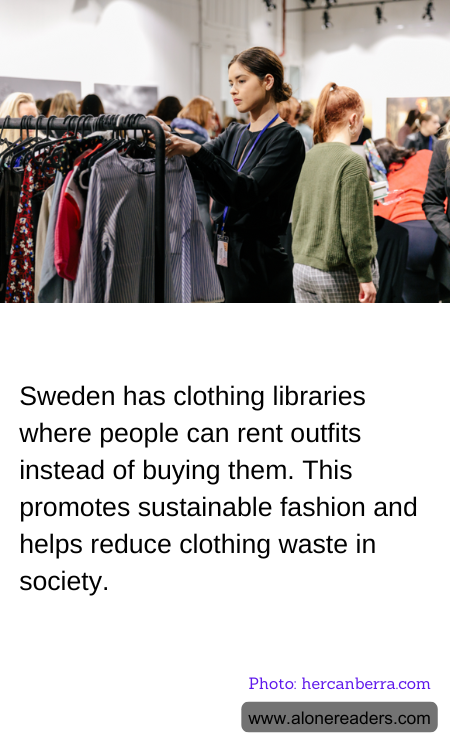
In Sweden, an innovative approach to fashion consumption has been gaining traction through the concept of clothing libraries. These unique libraries offer a practical solution to the environmental issues posed by the fashion industry by allowing people to rent clothes instead of purchasing them. This model not only promotes sustainable fashion but also significantly helps in reducing clothing waste.
Clothing libraries operate much like traditional book libraries: members pay a subscription fee and can borrow clothes for a determined period. This system not only ensures that garments are used more efficiently but also encourages people to experiment with different styles without the commitment of a permanent purchase. The variety available in such libraries ranges from everyday wear to special occasion outfits, making it a flexible option for a diversity of needs and tastes.
The environmental impact of the traditional fashion industry is profound, characterized by high water usage, chemical pollution, and substantial waste that fills landfills. By choosing to borrow rather than buy, consumers directly contribute to decreasing the demand for new clothing production. This shift not only diminishes the use of natural resources but also tackles the issue of overproduction -- a significant problem for modern fashion retailers.
Moreover, clothing libraries help foster a community of mindful consumers who are more attuned to the lifecycle of garments. People start to appreciate the value of well-made clothes that can last and be shared among multiple users. Additionally, these libraries often host events and workshops that educate on sustainable practices and the importance of reducing one's fashion footprint.
The rise of clothing libraries in Sweden underscores a growing awareness and commitment to sustainable practices in fashion. It serves as a model that can potentially be replicated in other parts of the world, appealing not just for its environmental benefits but also for its economical advantages. As more individuals recognize the impact of their consumption habits, such initiatives become pivotal in steering society towards a more sustainable future.