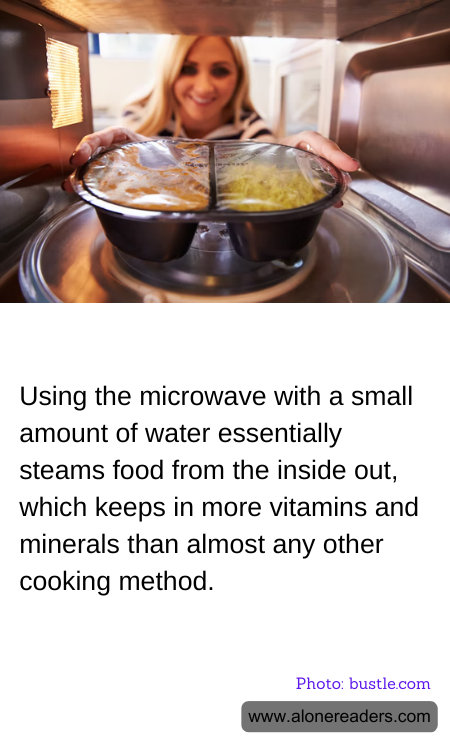
Microwave cooking is often underestimated when it comes to preparing healthy and nutritious meals. Using a microwave with just a small amount of water to cook food can actually preserve more vitamins and minerals than many other cooking methods. This technique essentially steams the food from the inside out, ensuring that most of the nutrients are retained rather than dissolved away into cooking water or destroyed by high heat.
The fundamental process involves the microwave's radiation, which excites the water molecules within the food. This creates steam internally, allowing the food to cook in its own moisture. Unlike boiling, where nutrients can leach into the water, or frying, where high temperatures can break down certain beneficial compounds, microwaving minimally alters the composition of the food. The quick cooking time also helps in preventing nutrient degradation, which is often the case with longer cooking methods.
Moreover, this method is extremely efficient for busy lifestyles. It reduces cooking time dramatically and requires far less cleanup than traditional methods. This combination of convenience, nutrient retention, and energy efficiency makes microwaving with a bit of water an excellent choice for maintaining a healthy diet.
However, it's important to use microwave-safe containers and avoid plastic containers that can leach chemicals into food. Also, since microwaves cook food unevenly, stirring or rotating the food midway through the cooking process can promote more even heating and prevent cold spots where bacteria might thrive. Additionally, for foods like vegetables, adding a splash of water at the base of the container before microwaving can create a steam effect that cooks the vegetables gently, retaining more nutrients and their natural crunch.
Overall, when used correctly, the microwave can be a tool for quick, healthy eating, allowing moisture and nutrients to be sealed within the food, thus supporting a nutritious diet with less effort and time.
