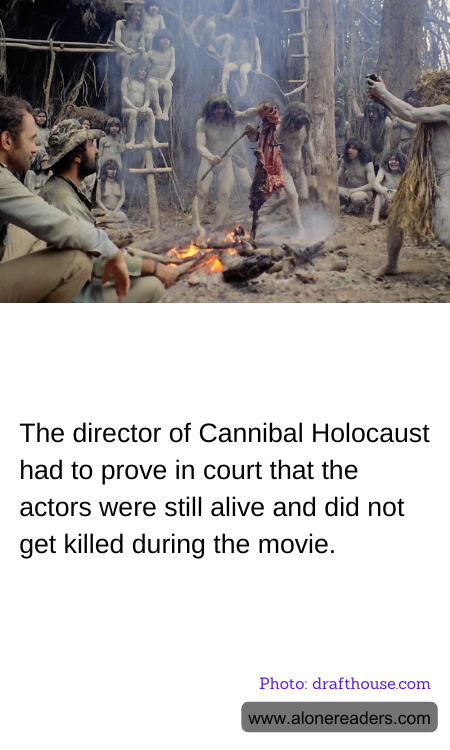
"Cannibal Holocaust," directed by Ruggero Deodato, is one of the most notorious films in cinema history, due largely to its graphic violence and the realistic way it depicted the deaths of its main characters. Released in 1980, this Italian film pioneered the found footage style that would later be popularized by movies like "The Blair Witch Project" and "Paranormal Activity." Its premise revolves around a documentary crew that goes missing in the Amazon rainforest while trying to film cannibal tribes. A rescue mission recovers their film reels, which reveal the horrifying fate of the crew at the hands of the tribe they were filming.
The film’s graphic content raised immediate concern and controversy upon its release, leading to accusations that the director had made a snuff film, where actual deaths were filmed. This resulted in Deodato being arrested and charged with multiple counts of murder. The graphic realism of the violence, coupled with the convincing performances of the actors, led many to believe that the on-screen deaths were real.
To defend himself, Deodato had to prove that the actors were still alive. He did this by presenting the actors on a television show, thus demonstrating that they were very much alive and well. Additionally, he brought the actors into court to testify. This demonstration was effective in proving that no real murders had occurred during the making of the film. Following this, the murder charges were dropped. However, Deodato was still reprimanded for other aspects of the film, including the real animal killings that were featured, leading to a brief jail term and a ban of the film in Italy.
The controversy surrounding "Cannibal Holocaust" has made it a landmark in the horror genre and a subject of much debate and study in film circles. The incidents during and after the film's release raised questions about ethical filmmaking, particularly regarding the use of real violence and cruelty to create entertainment. It also sparked discussions about the responsibilities of filmmakers in how they depict different cultures and the potential harm their portrayals can cause. Despite—or perhaps because of—its notorious reputation, "Cannibal Holocaust" remains a significant work in the history of horror cinema, noted both for its influence on later films and its contentious ethical boundaries.
