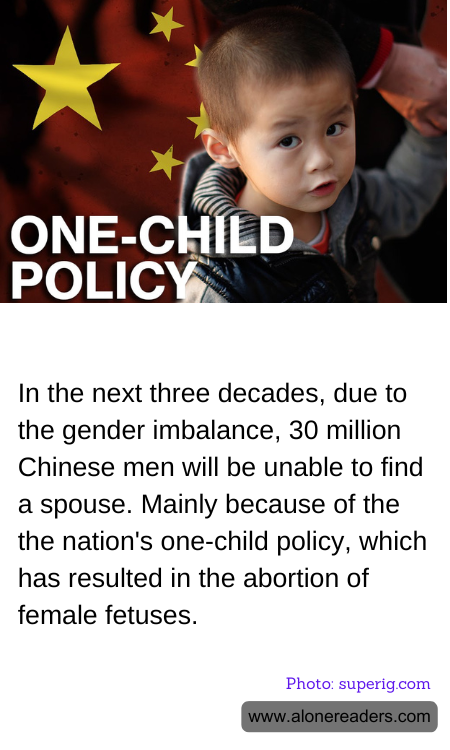
In the coming decades, China faces a significant demographic challenge that could have profound social and economic implications. Due to a pronounced gender imbalance, it is estimated that around 30 million Chinese men may struggle to find a spouse. This situation is largely attributed to the nation's historical one-child policy, which, although officially phased out in 2015, has left a lasting impact on the country's population structure.
The one-child policy, introduced in 1979, was a government initiative aimed at controlling population growth. However, it inadvertently led to a cultural preference for male children, resulting in the widespread practice of sex-selective abortions. This preference was driven by traditional beliefs that sons are more capable of providing financial support and carrying on the family name. Consequently, the policy has skewed the natural sex ratio, leading to a significant surplus of men over women.
This gender imbalance is not just a statistical anomaly; it has real-world consequences. The inability of millions of men to find partners could lead to increased social tensions and economic disparities. Men who are unable to marry may face social isolation and economic disadvantages, as marriage is often seen as a stabilizing factor in Chinese society. Furthermore, the lack of potential partners could exacerbate issues such as human trafficking and forced marriages, as some men may resort to desperate measures to find a spouse.
The implications of this imbalance extend beyond individual hardships. Economically, a large population of unmarried men could impact consumer spending patterns and housing markets, as family formation is a key driver of economic growth. Socially, the pressure on women to marry could increase, potentially leading to a rise in gender-based discrimination and inequality.
Addressing this issue requires a multifaceted approach. The Chinese government has already taken steps to encourage larger families by relaxing birth restrictions and promoting gender equality. However, these measures may take decades to balance the demographic scales. In the meantime, fostering a cultural shift towards valuing both genders equally and promoting the benefits of a diverse and balanced society is crucial.
Education and awareness campaigns can play a significant role in changing societal attitudes towards gender. Additionally, policies that support women in the workforce and provide incentives for families to have more children could help mitigate the long-term effects of the gender imbalance. International cooperation and dialogue may also offer insights and strategies to address similar challenges faced by other countries.
In conclusion, while the legacy of the one-child policy presents a daunting challenge for China, it also offers an opportunity to reshape societal norms and promote a more equitable future. By addressing the root causes of gender imbalance and fostering a culture of equality, China can work towards a more balanced and harmonious society for generations to come.
