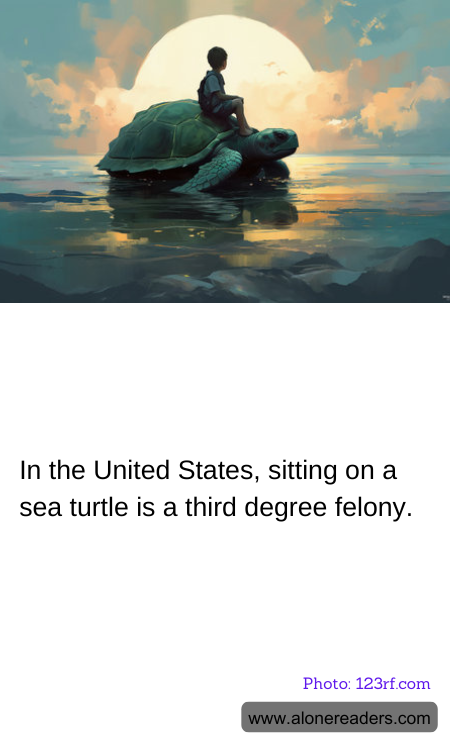
In the United States, the protection of sea turtles is taken very seriously, as evidenced by the fact that sitting on a sea turtle is considered a third-degree felony. This strict legal stance underscores the importance of safeguarding these ancient marine creatures, which have been around for over 100 million years. Sea turtles are not only a vital part of marine ecosystems but are also a symbol of the delicate balance of nature that needs to be preserved for future generations.
Sea turtles face numerous threats, both natural and human-induced. Among these, human activities such as poaching, habitat destruction, and pollution have significantly contributed to the decline in their populations. Laws like the Endangered Species Act and the Marine Turtle Protection Act have been enacted to protect these vulnerable animals. These laws make it illegal to harm, harass, or disturb sea turtles and their nests. The act of sitting on a sea turtle is considered harassment and can cause significant stress or injury to the animal, which is why it is classified as a felony.
The classification of this act as a third-degree felony reflects the severity with which the law views the protection of sea turtles. A third-degree felony is a serious offense that can result in substantial fines and even imprisonment. This legal framework serves as a deterrent to those who might otherwise engage in harmful behavior towards these creatures. It also raises public awareness about the importance of respecting wildlife and the legal consequences of failing to do so.
Education and awareness are crucial in the effort to protect sea turtles. Many people are unaware of the impact their actions can have on these animals. Public campaigns and educational programs aim to inform people about the importance of sea turtles to marine ecosystems and the threats they face. By understanding the role these creatures play in maintaining the health of ocean environments, individuals are more likely to support conservation efforts and adhere to laws designed to protect them.
In addition to legal measures, conservation efforts include habitat protection, beach clean-ups, and the establishment of marine protected areas. These initiatives help ensure that sea turtles have safe environments in which to live and breed. Volunteers and organizations around the world work tirelessly to monitor turtle populations, protect nesting sites, and rescue injured turtles.
The protection of sea turtles is a shared responsibility that requires cooperation between governments, organizations, and individuals. By respecting the laws in place and participating in conservation efforts, we can help ensure that these magnificent creatures continue to thrive in our oceans. The classification of sitting on a sea turtle as a third-degree felony is a reminder of the importance of respecting wildlife and the legal frameworks established to protect it.
