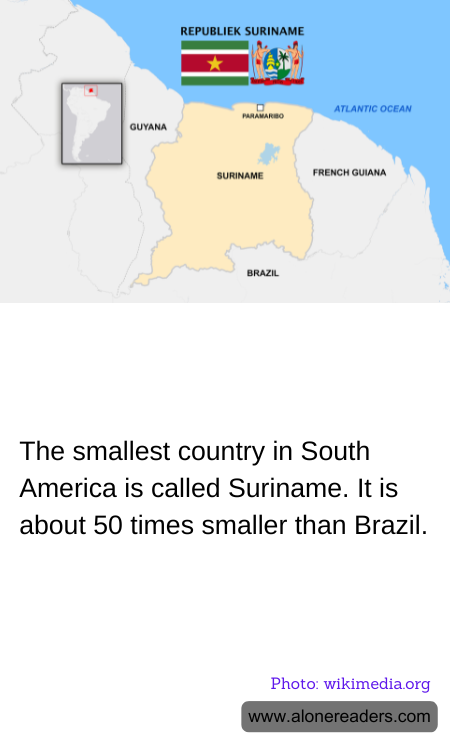
Nestled on the northeastern coast of South America, Suriname is a country that often flies under the radar, yet it holds a unique charm and significance. As the smallest country on the continent, Suriname covers an area of approximately 163,820 square kilometers, making it about 50 times smaller than its colossal neighbor, Brazil. Despite its modest size, Suriname boasts a rich tapestry of cultural diversity, natural beauty, and historical intrigue that captivates those who venture to explore it.
Suriname's landscape is a lush mosaic of tropical rainforests, savannas, and rivers, offering a haven for biodiversity. Over 90% of the country is covered by pristine rainforest, which is home to a plethora of wildlife, including jaguars, sloths, and an array of bird species. The Central Suriname Nature Reserve, a UNESCO World Heritage site, is a testament to the country's commitment to preserving its natural heritage. This vast expanse of protected land provides a sanctuary for countless species and offers visitors a glimpse into the untouched beauty of the Amazon rainforest.
The cultural fabric of Suriname is as diverse as its ecosystems. The country is a melting pot of ethnicities, including Indigenous peoples, descendants of African slaves, and immigrants from India, Indonesia, China, and Europe. This diversity is reflected in the nation's vibrant cultural expressions, from its music and dance to its cuisine. Surinamese food is a delightful fusion of flavors, with dishes like roti, pom, and saoto soup showcasing the country's multicultural influences.
Suriname's capital, Paramaribo, is a city that embodies the country's historical and cultural richness. The city center, with its well-preserved Dutch colonial architecture, is another UNESCO World Heritage site. Walking through the streets of Paramaribo, one can admire the wooden buildings that date back to the 17th and 18th centuries, a reminder of the country's colonial past. The blend of European and local architectural styles creates a unique urban landscape that is both charming and historically significant.
Despite its small size, Suriname plays an important role in regional and international affairs. It is a member of various international organizations, including the United Nations and the Caribbean Community (CARICOM), where it contributes to discussions on environmental conservation, sustainable development, and cultural exchange. Suriname's commitment to environmental preservation is particularly noteworthy, as it seeks to balance economic development with the protection of its natural resources.
In conclusion, Suriname may be the smallest country in South America, but it is a nation of immense cultural and ecological wealth. Its size belies the depth of experiences it offers, from exploring its dense rainforests to engaging with its diverse communities. For those seeking an off-the-beaten-path adventure, Suriname presents an opportunity to discover a hidden gem in the heart of the continent, where nature and culture coexist in harmonious splendor.
