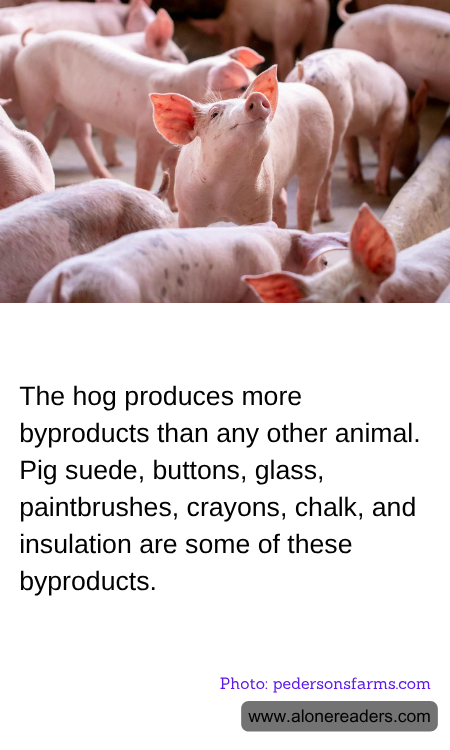
The humble hog, often associated with its role in providing pork, is a remarkable animal that contributes far more to our daily lives than many might realize. Beyond the dinner table, pigs are a source of an astonishing array of byproducts that permeate various industries, showcasing the animal's versatility and the ingenuity of human innovation.
One of the most well-known byproducts derived from pigs is pig suede. This soft, durable material is a favorite in the fashion industry, used in the production of shoes, jackets, and accessories. Its unique texture and resilience make it a sought-after material for designers and consumers alike. The use of pig suede exemplifies how every part of the hog can be utilized, minimizing waste and maximizing utility.
In addition to fashion, pigs contribute to the manufacturing of buttons. The bones of pigs are processed to create buttons that are not only functional but also add a touch of elegance to garments. This sustainable practice highlights the importance of using natural materials in everyday products, reducing reliance on synthetic alternatives.
The versatility of pig byproducts extends into the realm of art and education. Pig-derived gelatin is used in the production of crayons and chalk, essential tools for artists and students. These products are integral to creative expression and learning, demonstrating the pig's role in fostering imagination and education.
In the world of construction and home improvement, pig byproducts play a surprising role. Pig hair is often used in the production of high-quality paintbrushes. Known for their ability to hold paint well and provide a smooth application, these brushes are a staple for both professional painters and DIY enthusiasts. Furthermore, pig-derived materials are used in insulation, contributing to energy efficiency and comfort in homes and buildings.
Even in the realm of science and technology, pigs make their mark. Certain components derived from pigs are used in the production of glass, showcasing the animal's contribution to industries that are vital to modern life. This unexpected connection between pigs and technology underscores the diverse applications of pig byproducts.
The hog's ability to produce such a wide range of byproducts is a testament to the resourcefulness of utilizing every part of the animal. This practice not only supports sustainability by reducing waste but also highlights the interconnectedness of various industries. From fashion to construction, art to technology, the pig's contributions are woven into the fabric of everyday life, often in ways that go unnoticed.
In conclusion, the hog is more than just a source of food; it is a cornerstone of innovation and sustainability. By harnessing the full potential of pig byproducts, we are reminded of the importance of resourcefulness and the profound impact that one animal can have across multiple facets of human life. As we continue to explore and expand the uses of pig byproducts, we celebrate the ingenuity that transforms the ordinary into the extraordinary.
