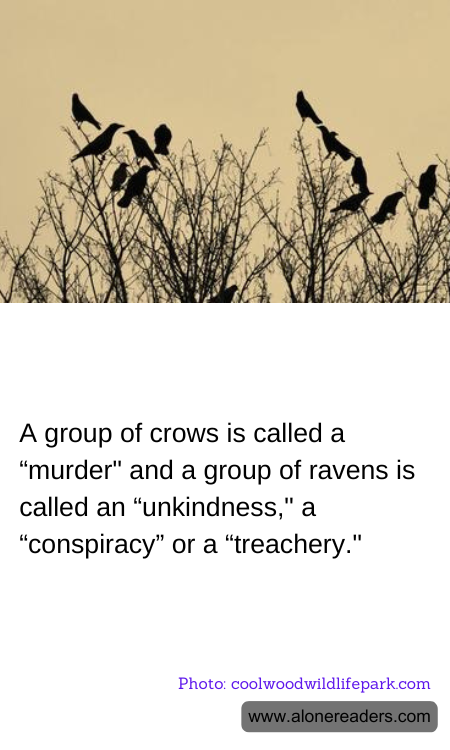
In the world of birds, few creatures are as shrouded in mystery and folklore as crows and ravens. These intelligent and adaptable birds have captured human imagination for centuries, not only for their behaviors and appearances but also for the intriguing names given to their groups. A group of crows is famously called a "murder," while a gathering of ravens is known as an "unkindness," "conspiracy," or "treachery." These terms, steeped in history and legend, offer a fascinating glimpse into how humans have perceived these birds over time.
The term "murder" for a group of crows is perhaps the most well-known and evocative. This name likely stems from the dark symbolism often associated with crows. In many cultures, crows have been seen as omens of death or carriers of souls, partly due to their black plumage and their presence in battlefields and cemeteries. The word "murder" conjures images of mystery and foreboding, aligning with the crow's reputation as a harbinger of doom. However, crows are also incredibly intelligent and social creatures, capable of using tools and solving complex problems, which adds a layer of irony to their ominous collective name.
Ravens, on the other hand, are granted a variety of group names, each with its own connotations. An "unkindness" of ravens might reflect the bird's solitary nature and the eerie calls that can echo through desolate landscapes. The term "conspiracy" suggests a secretive gathering, hinting at the raven's cunning and problem-solving abilities. Meanwhile, "treachery" evokes a sense of betrayal or deceit, perhaps inspired by the raven's role in myths and legends as a trickster or a creature of ill omen. Despite these dark associations, ravens are also celebrated for their intelligence and adaptability, often seen as symbols of transformation and insight.
These collective nouns for crows and ravens are more than just whimsical language; they are a testament to the deep cultural and historical connections humans have with these birds. They reflect our fascination with the natural world and our tendency to attribute human-like qualities to animals. While these terms may carry negative connotations, they also highlight the respect and awe these birds inspire. Crows and ravens, with their complex behaviors and mysterious allure, continue to captivate us, reminding us of the rich tapestry of life that surrounds us.
In a world where language and symbolism play crucial roles in shaping our understanding of nature, the names "murder," "unkindness," "conspiracy," and "treachery" serve as reminders of the enduring bond between humans and the avian world. They invite us to look beyond the surface and appreciate the intricate relationships we share with the creatures that inhabit our planet. Whether seen as ominous figures or symbols of wisdom, crows and ravens remain an integral part of our cultural landscape, their group names echoing through the ages.
