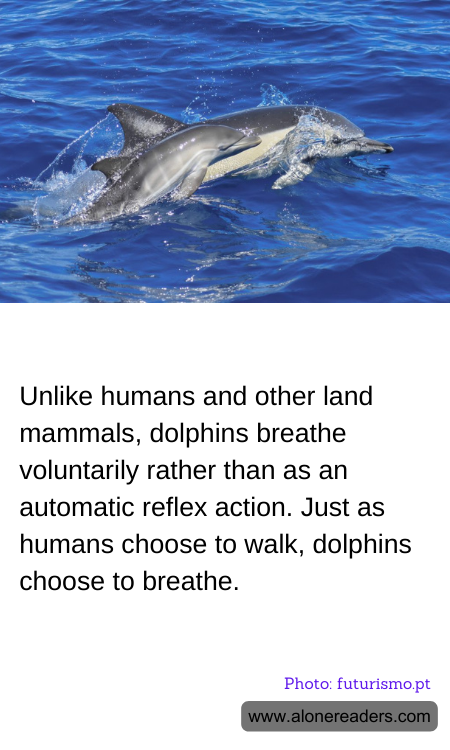
Dolphins, the charismatic and intelligent marine mammals, are often celebrated for their playful nature and remarkable cognitive abilities. However, one of the most fascinating aspects of their biology is their unique approach to breathing. Unlike humans and other land mammals, dolphins breathe voluntarily rather than as an automatic reflex action. This means that, much like humans choose to walk, dolphins consciously choose to breathe.
In humans, breathing is an involuntary action controlled by the brainstem, which ensures that we continue to inhale and exhale even when we are asleep or distracted. This automatic process is crucial for survival, as it ensures a constant supply of oxygen to our bodies without requiring conscious thought. Dolphins, on the other hand, have evolved to breathe consciously, a necessity dictated by their aquatic lifestyle. This voluntary breathing allows them to remain underwater for extended periods, surfacing only when they need to replenish their oxygen supply.
The voluntary nature of dolphin breathing is a testament to their advanced cognitive capabilities. Dolphins must be constantly aware of their need to breathe, which requires a level of awareness and decision-making that is rare in the animal kingdom. This conscious control over breathing is facilitated by their highly developed brains, which are capable of processing complex information and making quick decisions. As a result, dolphins can engage in a variety of activities, such as hunting, socializing, and playing, while maintaining control over their breathing patterns.
The ability to breathe voluntarily also provides dolphins with a significant survival advantage. In the wild, dolphins are often at risk from predators such as sharks. By controlling their breathing, dolphins can remain submerged and out of sight for longer periods, reducing their chances of being detected. Additionally, this ability allows them to navigate their environment more effectively, as they can choose when and where to surface for air, minimizing their exposure to potential threats.
Moreover, the voluntary nature of dolphin breathing has implications for their social behavior. Dolphins are known for their complex social structures and communication skills, often engaging in cooperative hunting and intricate social interactions. The need to consciously control their breathing may enhance their ability to coordinate with one another, as they must remain aware of their surroundings and the actions of their pod members at all times.
In conclusion, the voluntary breathing of dolphins is a remarkable adaptation that highlights their intelligence and adaptability. This unique trait not only underscores the complexity of their cognitive abilities but also enhances their survival and social interactions in the marine environment. As we continue to study these fascinating creatures, we gain a deeper appreciation for the intricate ways in which they have evolved to thrive in their underwater world.
