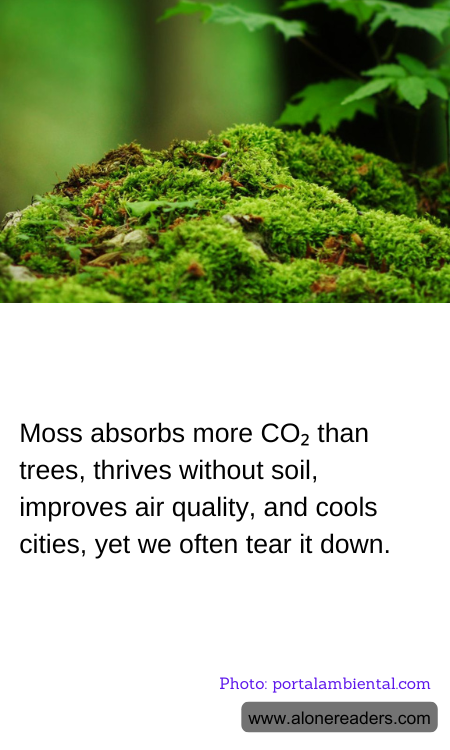
In the quest for sustainable solutions to combat climate change and urban heat, moss emerges as an unsung hero. Often overlooked and even removed from urban landscapes, moss offers a multitude of environmental benefits that rival those of trees. Its ability to absorb carbon dioxide, thrive without soil, improve air quality, and cool urban areas makes it a vital component in the fight against global warming.
Mosses are small, non-vascular plants that have been around for millions of years, quietly playing a significant role in the Earth's ecosystem. One of their most remarkable abilities is their efficiency in absorbing carbon dioxide. Studies have shown that moss can sequester more CO2 per unit area than trees, making it a powerful ally in reducing greenhouse gases. Unlike trees, which require decades to mature and reach their full carbon-absorbing potential, mosses are quick to establish and begin their work almost immediately.
Another advantage of moss is its ability to thrive without soil. This unique characteristic allows it to grow in places where traditional plants cannot, such as on rocks, walls, and rooftops. This adaptability makes moss an excellent candidate for urban greening projects, where space and soil quality are often limiting factors. By colonizing these otherwise barren surfaces, moss contributes to the greening of cities, enhancing their aesthetic appeal while providing environmental benefits.
Moss also plays a crucial role in improving air quality. It acts as a natural filter, trapping dust, pollutants, and allergens from the air. This not only helps to purify the air we breathe but also contributes to the overall health and well-being of urban populations. Furthermore, mosses are known for their ability to retain moisture, which can help to cool urban environments. By reducing the urban heat island effect, moss can lower temperatures in cities, making them more comfortable during hot summer months.
Despite these benefits, moss is often undervalued and removed from urban settings. This may be due to misconceptions about its appearance or a lack of awareness about its ecological importance. However, as we face increasing environmental challenges, it is crucial to recognize and harness the potential of moss as a sustainable solution.
Incorporating moss into urban planning and design can offer a low-maintenance, cost-effective way to enhance city environments. By embracing this humble plant, we can create greener, cooler, and healthier urban spaces. As we continue to search for innovative ways to address climate change, it is time to give moss the recognition it deserves and integrate it into our strategies for a more sustainable future.
