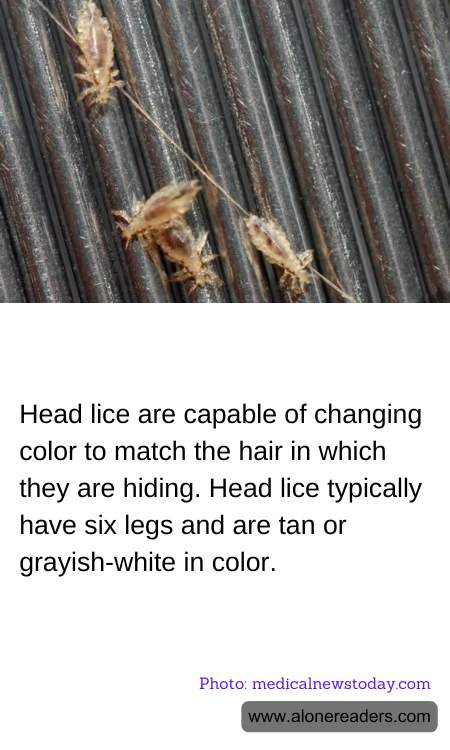
Head lice, those tiny parasitic insects that make their home on the human scalp, have long been a source of discomfort and frustration for many. While they are often considered a nuisance, these creatures possess some fascinating characteristics that make them particularly adept at survival. One of the most intriguing abilities of head lice is their capacity to change color to blend in with the hair of their host, a feature that aids in their concealment and makes them harder to detect.
Typically, head lice are tan or grayish-white in color, which allows them to blend seamlessly with a variety of hair shades. This color adaptability is not a conscious decision by the lice but rather a natural adaptation that has evolved over time. The color of the lice can vary slightly depending on the environment they inhabit, which in this case is the human scalp. By matching the color of the hair they infest, lice can avoid detection, making it more challenging for individuals to spot them and take action to remove them.
In addition to their color-changing abilities, head lice are equipped with six legs, each ending in a claw that is perfectly designed for gripping hair strands. This anatomical feature allows them to move swiftly and securely through the hair, making them difficult to dislodge. Their small size and quick movements further contribute to their ability to remain undetected for extended periods.
Despite their adaptability, head lice are not known to transmit diseases, which is a small consolation for those dealing with an infestation. However, they can cause significant discomfort due to the itching and irritation they provoke. This itching is a result of an allergic reaction to the saliva that lice inject into the scalp when they feed on human blood. The presence of lice can also lead to secondary infections if excessive scratching breaks the skin.
The battle against head lice has been ongoing for centuries, with various treatments and remedies being developed over time. Today, there are numerous over-the-counter and prescription treatments available, ranging from medicated shampoos to more natural remedies. The key to effectively managing a lice infestation is early detection and consistent treatment, as well as thorough cleaning of personal items such as combs, brushes, and bedding.
While head lice may be an unwelcome guest, understanding their unique characteristics can help in devising effective strategies for dealing with them. Their ability to change color and their specialized anatomy are testaments to their resilience and adaptability. By staying informed and vigilant, individuals can better protect themselves and their families from these persistent pests.
