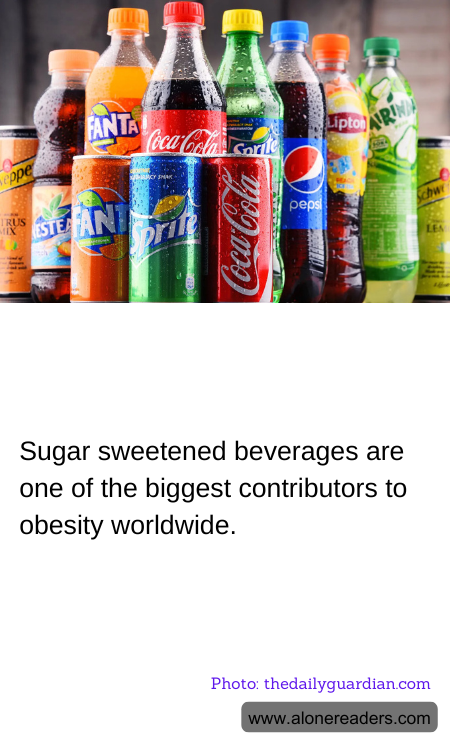
In recent years, the global rise in obesity has become a significant public health concern, with sugar-sweetened beverages (SSBs) identified as one of the primary contributors to this epidemic. These drinks, which include sodas, fruit punches, energy drinks, and sweetened teas, are consumed by millions of people worldwide, often without a full understanding of their impact on health. The high sugar content in these beverages is a major factor in the increasing rates of obesity, as they provide a large number of calories with little to no nutritional value.
One of the main reasons sugar-sweetened beverages contribute to obesity is their ability to deliver a high caloric intake without satisfying hunger. Unlike solid foods, which can make a person feel full, liquid calories do not trigger the same satiety signals in the brain. This means that individuals can consume large quantities of these drinks without reducing their intake of other foods, leading to an overall increase in daily calorie consumption. Over time, this excess calorie intake can result in weight gain and, eventually, obesity.
Moreover, the marketing strategies employed by beverage companies often target children and adolescents, making these age groups particularly vulnerable to the effects of sugar-sweetened beverages. Advertisements frequently portray these drinks as refreshing and essential for social gatherings, sports, and leisure activities. This pervasive marketing, combined with the easy availability of these beverages in schools, vending machines, and convenience stores, encourages regular consumption from a young age, setting the stage for lifelong habits that contribute to obesity.
The health implications of consuming sugar-sweetened beverages extend beyond weight gain. Excessive intake of these drinks is associated with an increased risk of developing type 2 diabetes, cardiovascular diseases, and dental problems. The high sugar content can lead to insulin resistance, a precursor to diabetes, and contribute to the development of fatty liver disease. Additionally, the acidity and sugar in these beverages can erode tooth enamel, leading to cavities and other dental issues.
Addressing the issue of sugar-sweetened beverages and their role in obesity requires a multifaceted approach. Public health campaigns aimed at educating the public about the risks associated with these drinks are essential. Governments can also play a role by implementing policies such as taxes on sugary drinks, which have been shown to reduce consumption. Schools and communities can support these efforts by promoting healthier beverage options and limiting the availability of sugar-sweetened beverages.
Ultimately, reducing the consumption of sugar-sweetened beverages is a crucial step in combating the obesity epidemic. By making informed choices and encouraging healthier habits, individuals can significantly improve their overall health and well-being. As awareness grows, it is hoped that the global community will take decisive action to curb the consumption of these beverages and promote a healthier future for all.
