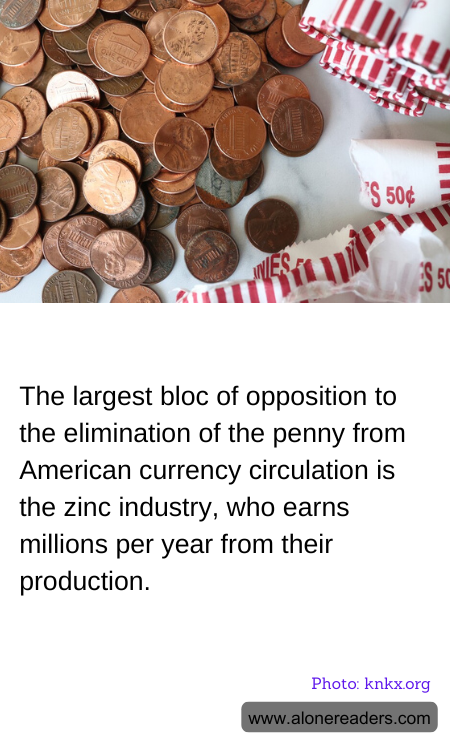
The debate over whether to eliminate the penny from American currency circulation has been ongoing for years, with arguments both for and against its continued use. While many Americans view the penny as an outdated and unnecessary denomination, there is a significant bloc of opposition to its removal, primarily from the zinc industry. This industry plays a crucial role in the production of pennies, as the coin is composed of 97.5% zinc and only 2.5% copper. The financial stakes for the zinc industry are substantial, as they earn millions of dollars annually from the production of pennies.
The penny, despite its low purchasing power, remains a staple in American currency. However, its production costs have long been a point of contention. It costs more than one cent to produce a single penny, leading to a loss for the U.S. Mint with each coin minted. This inefficiency has fueled calls for the penny's elimination, with proponents arguing that it would save taxpayers money and streamline transactions. Yet, the zinc industry stands as a formidable opponent to this change, given the economic implications for their business.
The zinc industry has invested heavily in lobbying efforts to ensure the penny remains in circulation. These efforts are not just about preserving profits but also about maintaining jobs and economic stability in regions where zinc production is a significant industry. The potential elimination of the penny poses a threat to these communities, where the economic impact could be profound. As such, the zinc industry has become a vocal advocate for the penny, highlighting its historical significance and arguing for its continued relevance in the economy.
Despite the zinc industry's opposition, public opinion on the penny is mixed. Some Americans hold a sentimental attachment to the coin, viewing it as a symbol of national heritage. Others see it as a nuisance, cluttering pockets and slowing down transactions. The debate is further complicated by the fact that eliminating the penny could lead to rounding prices to the nearest nickel, a change that some fear could result in inflationary effects, albeit minor.
In conclusion, the future of the penny remains uncertain, caught between economic pragmatism and industrial interests. While the zinc industry continues to champion the penny's cause, the broader conversation about its place in modern currency persists. As technology advances and cash transactions decline, the relevance of the penny may continue to diminish. However, as long as the zinc industry remains a powerful stakeholder, the penny's fate will likely remain a topic of debate in American economic policy.
