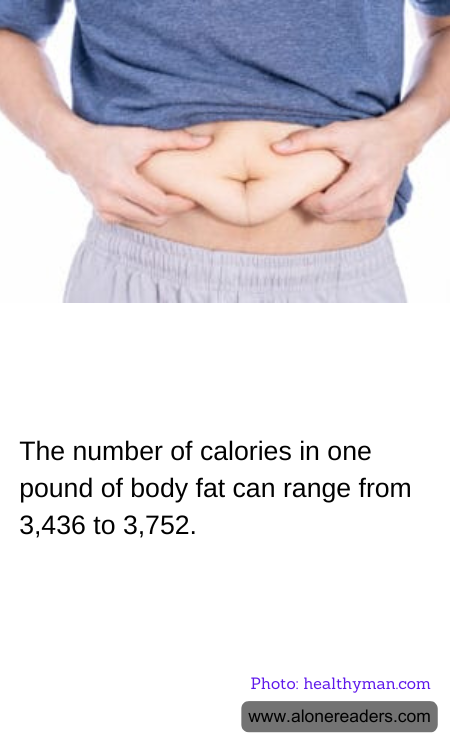
When it comes to understanding weight loss and body composition, one of the most frequently discussed topics is the number of calories in a pound of body fat. Traditionally, it has been widely accepted that one pound of body fat contains approximately 3,500 calories. However, recent studies and expert opinions suggest that this number can actually range from 3,436 to 3,752 calories. This variation is due to several factors, including the composition of body fat and individual differences in metabolism.
Body fat is not composed solely of pure fat. It also contains water, proteins, and other substances. The caloric content of body fat can vary depending on these components. For instance, the more water present in the fat tissue, the fewer calories it contains. This is why the caloric value of body fat is not a fixed number and can fluctuate within the given range. Understanding this variability is crucial for anyone trying to manage their weight, as it highlights the complexity of the human body and the need for a personalized approach to weight loss.
For those aiming to lose weight, knowing the approximate caloric content of body fat can be a useful tool. It provides a rough estimate of how many calories need to be burned to lose a pound of fat. However, it is important to remember that weight loss is not just about burning calories. It involves a combination of factors, including diet, exercise, and overall lifestyle changes. Simply focusing on the caloric deficit may not be sufficient for sustainable weight loss. Instead, a balanced approach that includes healthy eating habits and regular physical activity is more effective.
Moreover, individual differences in metabolism can also affect how many calories are stored in a pound of body fat. Factors such as age, gender, genetic predisposition, and hormonal balance play a significant role in determining metabolic rate. This means that two people with the same weight and body composition might have different caloric needs and burn calories at different rates. Therefore, personalized strategies that take these differences into account are essential for effective weight management.
In conclusion, while the traditional estimate of 3,500 calories per pound of body fat is a useful guideline, it is important to recognize the variability in this number. The range of 3,436 to 3,752 calories reflects the complexity of body composition and individual metabolic differences. For those seeking to lose weight, a comprehensive approach that considers these factors, along with a focus on healthy lifestyle changes, is key to achieving and maintaining desired results. Understanding the nuances of body fat and caloric content can empower individuals to make informed decisions about their health and well-being.
