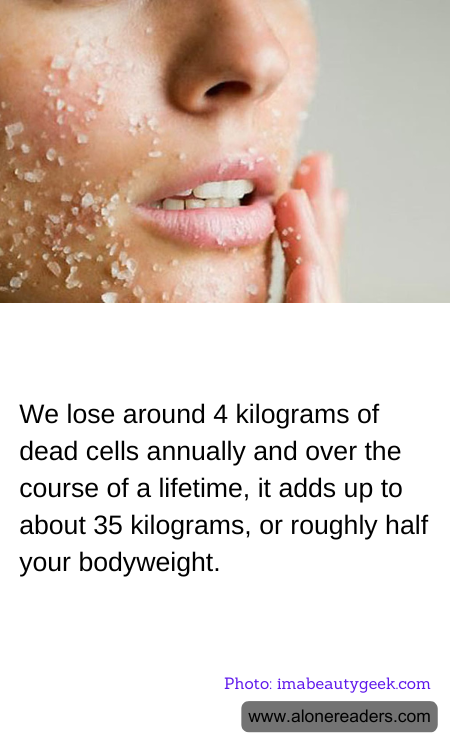
Every year, the human body sheds approximately 4 kilograms of dead skin cells, a process that is both fascinating and essential for our health. Over the course of a lifetime, this seemingly inconsequential shedding accumulates to about 35 kilograms, which is roughly half the average body weight. This natural cycle of renewal is a testament to the body's remarkable ability to maintain and protect itself.
The skin, our largest organ, serves as the first line of defense against environmental hazards, pathogens, and physical injuries. It is composed of multiple layers, with the outermost layer known as the epidermis. The epidermis is primarily made up of cells called keratinocytes, which are constantly being produced and pushed to the surface. As these cells reach the surface, they die and form a protective barrier. Eventually, these dead cells are sloughed off, making way for new cells to take their place.
This continuous process of shedding dead skin cells is crucial for maintaining healthy skin. It helps to remove dirt, oils, and other impurities that can accumulate on the skin's surface. Additionally, it plays a vital role in preventing the buildup of bacteria and other harmful microorganisms that could lead to infections. By regularly renewing itself, the skin remains resilient and capable of performing its protective functions effectively.
While the idea of shedding such a significant amount of skin might seem surprising, it is a natural and necessary part of life. The process is so gradual and subtle that we hardly notice it happening. However, it is important to support this natural exfoliation process by maintaining good skincare habits. Regular cleansing and moisturizing can help to remove dead skin cells more efficiently and keep the skin healthy and vibrant.
Interestingly, the accumulation of dead skin cells is not just a human phenomenon. Many animals, including reptiles and birds, also shed their skin or feathers as part of their natural growth and renewal processes. This universal biological function underscores the importance of shedding as a means of adaptation and survival across different species.
In conclusion, the shedding of dead skin cells is a remarkable aspect of human biology that underscores the body's ability to renew and protect itself. By understanding and supporting this natural process, we can contribute to our overall health and well-being. So, the next time you notice a bit of dry skin, remember that it's just a small part of the incredible journey of renewal that your body undertakes every day.
