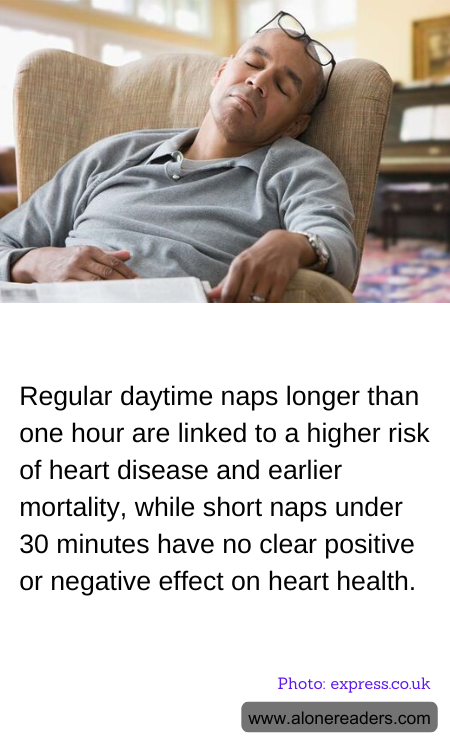
In recent years, the practice of taking daytime naps has gained popularity as a means to combat fatigue and enhance productivity. However, emerging research suggests that not all naps are created equal, particularly when it comes to their impact on heart health and longevity. A growing body of evidence indicates that regular daytime naps longer than one hour may be linked to a higher risk of heart disease and earlier mortality, while shorter naps under 30 minutes appear to have no clear positive or negative effect on heart health.
The allure of a long nap can be tempting, especially for those who struggle with sleep deprivation or lead hectic lifestyles. Yet, studies have shown that extended naps may disrupt the body's natural sleep-wake cycle, leading to adverse health outcomes. Prolonged naps can result in sleep inertia, a state of grogginess and disorientation that can last for hours, potentially affecting cognitive function and mood. More concerning, however, is the association between lengthy naps and an increased risk of cardiovascular issues. Research suggests that naps exceeding one hour may contribute to metabolic changes, such as elevated blood pressure and increased inflammation, both of which are risk factors for heart disease.
Conversely, short naps, often referred to as "power naps," lasting less than 30 minutes, have been found to be relatively neutral in their impact on heart health. These brief periods of rest can provide a quick boost in alertness and performance without significantly altering the body's circadian rhythms. While short naps do not appear to confer significant cardiovascular benefits, they also do not pose the same risks as their longer counterparts. This makes them a safer option for individuals seeking to recharge during the day without compromising their long-term health.
The distinction between the effects of short and long naps underscores the importance of moderation and mindfulness in sleep habits. For those who enjoy napping, it may be beneficial to set an alarm to ensure naps do not exceed the 30-minute mark. Additionally, maintaining a consistent sleep schedule at night can help reduce the need for extended daytime naps, promoting overall well-being and reducing the risk of heart-related complications.
In conclusion, while napping can be a valuable tool for managing fatigue, it is crucial to approach it with caution. Regularly indulging in long naps may inadvertently increase the risk of heart disease and shorten lifespan. On the other hand, short naps offer a balanced approach, providing a momentary respite without significant health repercussions. As with many aspects of health, moderation and awareness are key to harnessing the benefits of napping while minimizing potential risks.
