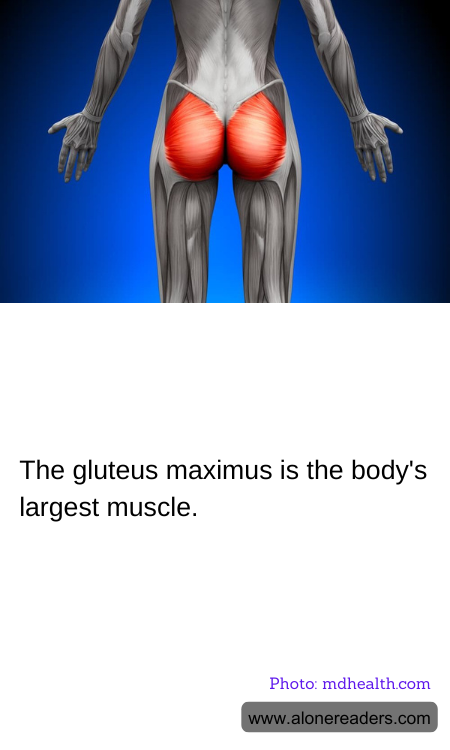
The human body is a marvel of biological engineering, with each muscle playing a crucial role in our daily activities. Among these, the gluteus maximus stands out as the largest muscle, both in size and importance. Located in the buttocks, this powerful muscle is responsible for a variety of movements and functions that are essential for our mobility and posture.
The gluteus maximus is a key player in the movement of the hip and thigh. It is primarily responsible for the extension, outward rotation, and abduction of the hip joint. This means that every time you stand up from a sitting position, climb stairs, or run, you are engaging this muscle. Its strength and size are crucial for maintaining an upright posture, which is a defining characteristic of human locomotion. Without the gluteus maximus, our ability to walk, run, and jump would be severely compromised.
Beyond its functional roles, the gluteus maximus also contributes significantly to the aesthetics of the human body. A well-developed gluteus maximus is often associated with athleticism and physical fitness. This has led to a surge in exercises and fitness programs aimed at strengthening and toning this muscle. Squats, lunges, and deadlifts are popular exercises that target the gluteus maximus, helping individuals improve their strength and appearance.
The importance of the gluteus maximus extends beyond physical activity and aesthetics. It plays a vital role in supporting the pelvis and stabilizing the lower back. This stabilization is crucial in preventing injuries and maintaining balance. A strong gluteus maximus can alleviate pressure on the lower back, reducing the risk of pain and discomfort that can arise from prolonged sitting or improper lifting techniques.
In addition to its physical benefits, the gluteus maximus is also a testament to the evolutionary journey of humans. As our ancestors transitioned from quadrupedal to bipedal locomotion, the gluteus maximus evolved to accommodate the demands of walking upright. This evolutionary adaptation highlights the muscle's significance in our development as a species.
In conclusion, the gluteus maximus is more than just the body's largest muscle; it is a cornerstone of human movement and posture. Its roles in mobility, stability, and aesthetics make it an essential component of our anatomy. Whether you're an athlete striving for peak performance or someone looking to improve your overall fitness, understanding and appreciating the gluteus maximus can lead to better health and well-being. As we continue to explore the wonders of the human body, the gluteus maximus remains a fascinating subject of study and admiration.
