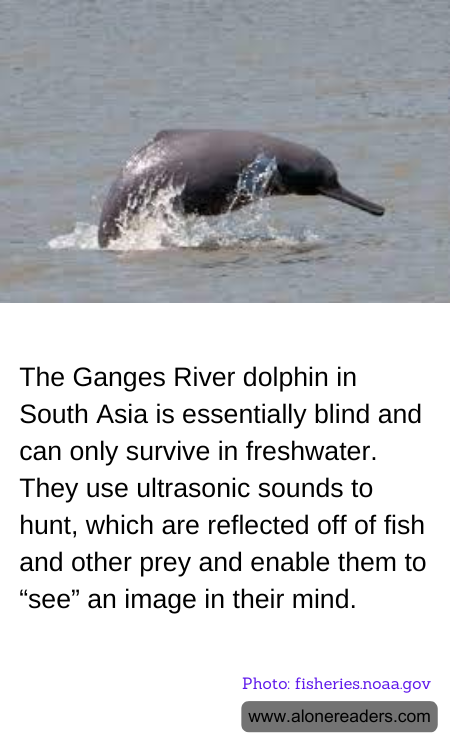
The Ganges River dolphin, a remarkable aquatic mammal native to the freshwater river systems of South Asia, is a testament to nature's adaptability and resilience. Found primarily in the Ganges and Brahmaputra rivers and their tributaries, this unique species has evolved to thrive in a challenging environment. Unlike many of its marine counterparts, the Ganges River dolphin is essentially blind, a characteristic that has shaped its survival strategies and interactions with its habitat.
The blindness of the Ganges River dolphin is not a disadvantage but rather an adaptation to the murky waters it inhabits. Over time, these dolphins have lost the lens in their eyes, rendering them incapable of forming clear images. Instead, they rely on echolocation, a sophisticated biological sonar system, to navigate and hunt in their turbid environment. By emitting ultrasonic sounds that bounce off objects and return as echoes, the dolphins can construct a mental image of their surroundings. This ability allows them to detect fish and other prey, effectively "seeing" with sound.
Echolocation is a fascinating adaptation that highlights the dolphin's ingenuity. The process involves producing a series of clicks that travel through the water, striking objects and returning to the dolphin's sensitive jaw and forehead, where the echoes are interpreted. This method of "seeing" is so precise that it enables the Ganges River dolphin to hunt efficiently, even in complete darkness or heavily silted waters. Their diet primarily consists of fish and invertebrates, which they skillfully locate and capture using this remarkable technique.
Despite their incredible adaptations, Ganges River dolphins face numerous threats that jeopardize their survival. Human activities, such as pollution, dam construction, and water diversion, have significantly impacted their habitat. Additionally, accidental entanglement in fishing nets poses a severe risk to their population. Conservation efforts are crucial to ensure the survival of this species, which is currently classified as endangered. Initiatives aimed at protecting their habitat, reducing pollution, and promoting sustainable fishing practices are vital to preserving these extraordinary creatures.
The Ganges River dolphin serves as a symbol of the rich biodiversity found in South Asia's river systems. Its unique adaptations offer valuable insights into the complexities of evolution and the intricate balance of ecosystems. By understanding and protecting this species, we not only safeguard a critical component of our natural heritage but also contribute to the broader efforts of conserving freshwater biodiversity worldwide. As we continue to learn from and appreciate the Ganges River dolphin, we are reminded of the importance of preserving the delicate ecosystems that support such remarkable life forms.
