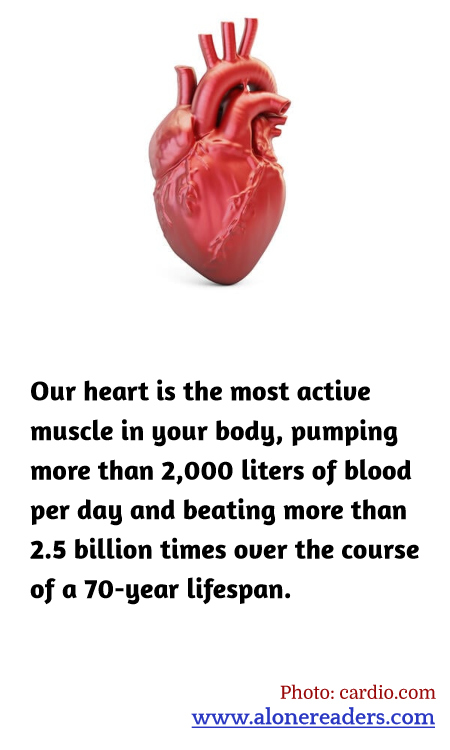
Our heart is an incredibly powerful and resilient organ, functioning as the central pump of the cardiovascular system. This vital muscle works tirelessly, beating around the clock to ensure that oxygenated blood is distributed throughout the body to sustain life. One of the most striking facts about the human heart is its ability to pump a staggering amount of blood on a daily average—more than 2,000 liters each day. This is a testament to its efficiency and strength, given that the heart is roughly the size of a fist.
Over an average lifespan of 70 years, the heart is estimated to beat more than 2.5 billion times. This continuous activity is essential for not just physical well-being but also supports critical functions in other organs and systems within the body. Despite its robust nature, the heart can be vulnerable to various health issues, like cardiovascular diseases, which remain among the leading causes of death worldwide. Factors such as genetics, lifestyle choices, diet, and exercise play significant roles in determining heart health.
Therefore, maintaining heart health is crucial. Regular cardiovascular exercise strengthens the heart muscle, just as it would any other muscle in the body. Maintaining a diet low in trans fats, saturated fats, and excess sodium can also help reduce the risk of heart disease. Monitoring blood pressure and cholesterol levels, avoiding tobacco use, and managing stress are other vital steps toward keeping the heart functioning optimally. By understanding the heart's essential role and taking active steps to care for it, we can help ensure that it continues to function efficiently throughout our lives.
