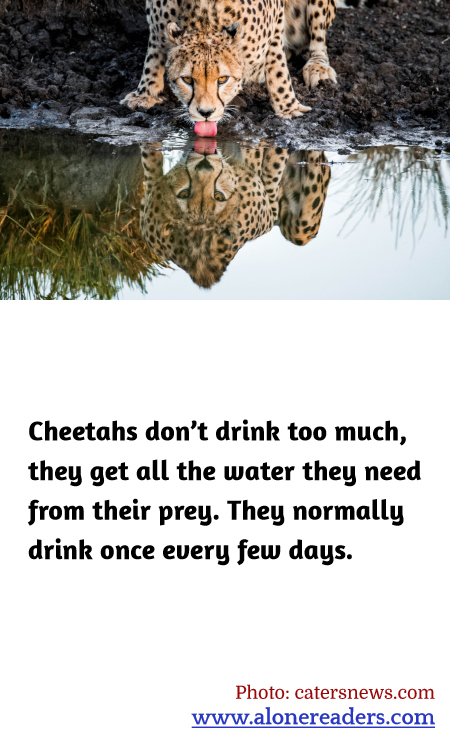
Cheetahs, the fastest land animals on the planet, are not only exceptional in their speed but also in the methods they employ to meet their hydration needs. Adapted to the arid landscapes of Africa where water can be scarce, cheetahs have evolved to thrive with minimal water intake. Intriguingly, cheetahs derive much of the moisture they require from the bodies of their prey, minimizing their dependency on water sources.
Typically, a cheetah's diet consists largely of small to medium-sized ungulates, which contain significant amounts of water. By consuming their prey, cheetahs ingest both the solid and liquid nutritional elements they need. This adaptation is critical, especially considering the environments they inhabit, where water is not always readily accessible. As a result, cheetahs can afford to drink water directly once every few days.
This ability greatly benefits cheetahs by reducing the time and energy spent searching for water, thereby allowing them to focus more on hunting and conserving energy for survival. Moreover, this feature of their biology also means they can inhabit more expansive ranges, as their need for frequent access to water bodies does not limit them.
The physiological makeup of cheetahs also supports their low water intake lifestyle. Their efficient kidneys and specialized metabolism help to minimize water loss, maintaining hydration through the moisture gained from their diet. This biological efficiency is a testament to the remarkable adaptations of wildlife to their environments, showcasing nature’s ingenuity in sustaining life even in challenging conditions.
While cheetahs' low dependence on drinking water is a fascinating aspect of their survival strategy, it also underscores the broader ecological balances and the importance of prey availability in their habitats. This unique trait of cheetahs not only highlights their adaptability but also serves as a reminder of the interconnectedness of ecosystems and the critical role each species plays within them. Understanding and appreciating such nuances in wildlife biology can help foster more effective conservation strategies to protect these magnificent animals and the delicate habitats they occupy.
