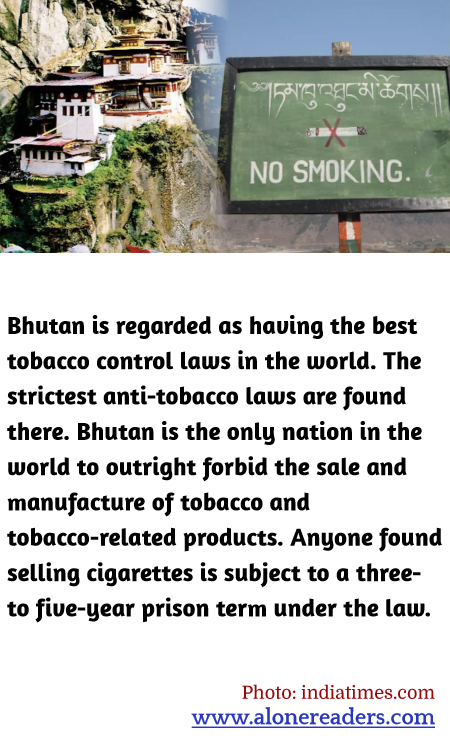
Bhutan, a small Himalayan kingdom, has set a global benchmark with its comprehensive anti-tobacco legislation, which is considered the most stringent in the world. In an unprecedented move, Bhutan became the first and only nation to completely ban the sale and production of tobacco products. This bold step was officially taken in 2004 as part of its efforts to become a nation with a Gross National Happiness index rather than focusing solely on economic indicators.
The implications of this law are far-reaching, with the sale of cigarettes leading to severe penalties, including imprisonment ranging from three to five years. The law is not only aimed at retailers but also at consumers, as smoking in public places is also heavily fined and discouraged. However, recognizing the challenges of such strict regulations, the Bhutanese government allows limited quantities of tobacco for personal use, albeit with high taxes and stringent regulations on import.
This forward-thinking policy stems from Bhutan's deep-rooted spiritual values, where health and well-being are prioritized over business interests. The country's Buddhist principles advocate for a clean body and environment, which align with its anti-tobacco stance. Additionally, the ban is part of a larger environmental and health strategy, which includes preservations of its pristine environment and promotion of national health.
The impact of such a law has been profound, with a significant decrease in smoking rates and related health issues, which has garnered international attention. However, the policy also faces challenges, such as a burgeoning black market for tobacco products. Authorities are continuously working to curb illegal smuggling and educate the public about the risks of tobacco use.
Bhutan’s no-tobacco law sets a remarkable example of how stringent policies can potentially lead to healthier societies. It showcases the possibility of prioritizing public health and environmental integrity over economic benefits, a lesson that many nations might look towards as they formulate their own tobacco control strategies. The Kingdom of Bhutan remains a unique case study in the global fight against tobacco consumption.
