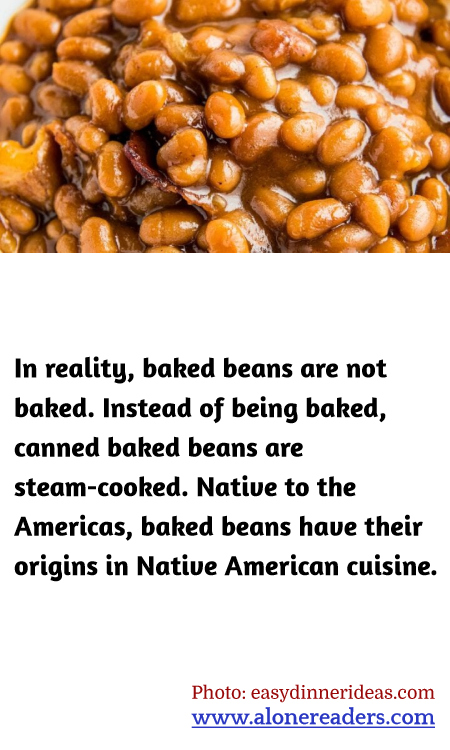
Baked beans, a staple in many diets across the globe, are somewhat misnamed in modern culinary practices. Contrary to what their name suggests, most commercially prepared baked beans are not actually baked but are instead cooked through a process of steam cooking. This method allows the beans to maintain their moisture and flavor, making them soft and palatable without the dryness that can come from baking.
Tracing the roots of baked beans leads us back to Native American cuisine. Native Americans prepared beans with bear fat and maple syrup or honey baked slowly in a pot, a practice that significantly influenced colonial settlers in North America. They adapted it using pork and molasses, ingredients that were more readily available, which helped in transforming these beans into a comfort food enjoyed by many. The traditional slow-cooking method involved in original recipes allowed the flavors to deepen and meld together beautifully, giving the dish its rich, savory-sweet profile.
Today, baked beans are commonly enjoyed as a side dish, particularly popular in barbecue settings or as part of a hearty breakfast in places like the United Kingdom, where they are almost a national institution. In the American South, baked beans have their own regional twist, often incorporating ingredients like bacon and brown sugar or barbecue sauce, reflecting the region’s palate. This versatility and the comforting richness of the dish have solidified its place in various cultures around the world.
While commercial preparation nowadays might lean more towards steam-cooking to expedite the process, the essence and influence of the original, slowly-cooked baked beans recipe still linger in every bite. This method ensures beans that are soft, flavorful, and ready to be part of a meal that comforts like few other foods do. Although the name remains a nod to their traditional preparation methods rather than their actual cooking technique, "baked beans" continue to be a beloved dish worldwide, carrying with them a piece of history from their Native American origins to modern-day tables.
