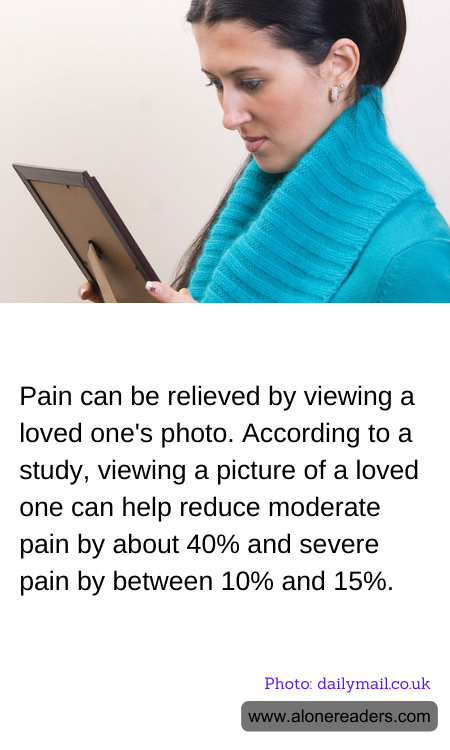
Pain, a complex and often debilitating experience, has been a central subject of research in understanding how emotional and psychological factors can influence its intensity. Recent studies have shed light on an intriguing and heartwarming pain relief method—looking at a picture of a loved one. This simple act seems to have a profound impact on pain perception, potentially altering the way pain management is approached in clinical settings.
The findings suggest that viewing a loved one's photograph can significantly diminish the feeling of pain. In instances of moderate pain, the reduction can be as much as 40%, a substantial decrease that highlights the powerful connection between emotional well-being and physical health. For severe pain, the relief ranges from 10% to 15%. These statistics not only reveal the effectiveness of this method but also underscore the deep-seated links between social connections and physical experiences.
The mechanism behind this phenomenon is believed to be associated with psychological and neurobiological factors. When individuals view photos that evoke positive and loving memories, it can trigger a release of endorphins, the body’s natural pain relievers. These chemicals are part of the brain's reward system and are known for their role in pain reduction and the promotion of a sense of well-being.
Additionally, the emotional comfort derived from a loved one's image likely activates regions of the brain involved in emotional processing, which can modulate pain pathways. Essentially, the brain's response to emotional and visual stimuli from a loved one's photograph can change the way it processes pain signals, thereby reducing the perception of pain.
These insights offer promising implications for enhancing therapeutic practices. Incorporating the simple act of viewing a loved about one's photo could be an accessible and cost-effective adjunct to traditional pain management strategies. It represents a non-pharmacological approach that could help reduce dependency on medications and their potential side effects.
Moreover, this discovery could aid in the design of more humane and compassionate care practices in medical settings, where patients often experience feelings of isolation or emotional distress. Encouraging the presence of personal elements in hospital rooms, such as family photos, could not only alleviate pain but also improve overall patient satisfaction and emotional well-being.
In conclusion, the power of visual and emotional reminiscence in pain relief highlights the interconnectedness of mind and body. As research continues to evolve, the hope is to integrate more holistic approaches into pain management, fostering treatments that cater to both the psychological and physical aspects of patient care.
