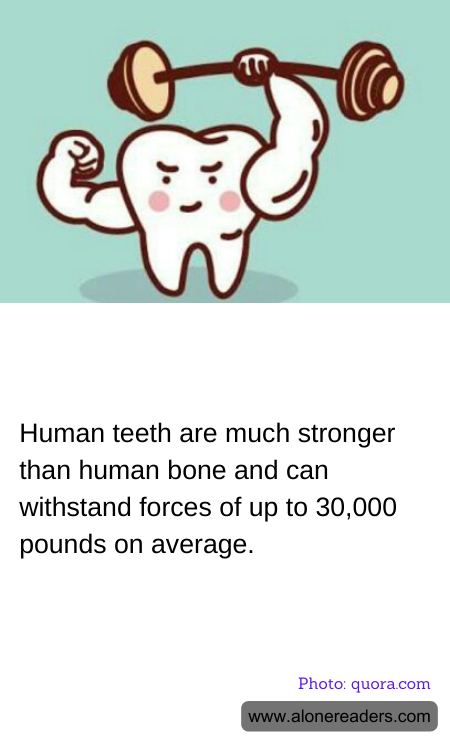
Human teeth are among the strongest parts of the body, possessing a remarkable capacity for endurance and resilience that surpasses even that of bones. Although it may be surprising, the enamel that covers the surface of each tooth is the hardest and most mineralized substance in the human body. This layer is primarily composed of hydroxyapatite, a crystalline calcium phosphate compound, which is responsible for teeth's impressive durability.
The strength of human teeth is evident in their ability to endure an average force of up to 30,000 pounds per square inch, a measure of how much pressure they can withstand before breaking. This extraordinary strength is crucial, considering the demands of daily activities such as chewing and biting. When eating, forces applied by the jaws and transferred through the teeth can be substantial, particularly when consuming harder foods like nuts or some candies.
Comparatively, human bones are also tough and are composed predominantly of a similar calcium phosphate mineral, yet they are less dense and therefore not as hard as tooth enamel. Bones are engineered to withstand different types of stress, including bending and twisting forces, and they play a crucial role in providing structure and support for the body rather than the specific pressures involved in the biting and grinding of food.
The design of teeth, with their hard enamel surface and a slightly softer dentin underneath, reveals an evolutionary advantage. This structure allows them to absorb significant biting pressure while minimizing the risk of damage. Additionally, the roots of the teeth embed deeply into the jawbone, anchored securely by the periodontal ligament, which cushions the tooth yet holds it firm under the stress of chewing.
Despite their strength, teeth are not indestructible. Poor dental hygiene, physical impacts, or consuming too much sugar can lead to decay and other dental issues, which weaken teeth. Regular dental care, including brushing, flossing, and professional cleanings, is essential to maintaining the structural integrity and health of teeth. This care is crucial not just for the longevity of the teeth themselves but also for overall oral health, influencing factors ranging from speech clarity to digestion.
Understanding the remarkable strength of teeth can provide an enhanced appreciation for the complex structure of the human body and the importance of oral hygiene. Maintaining dental health is not just about preserving a smile; it's about safeguarding a vital component of human physiology that plays a key role in our overall health and well-being.
