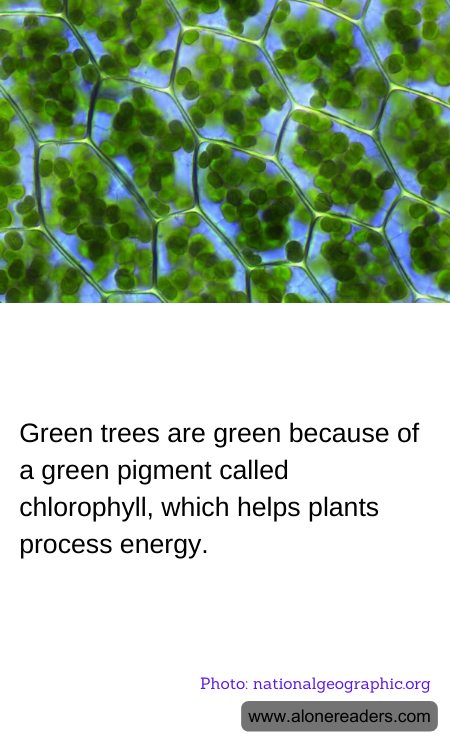
Green trees sport their vibrant color due to the presence of chlorophyll, a critical pigment that plays a central role in photosynthesis. Chlorophyll absorbs energy from sunlight, facilitating the transformation of carbon dioxide and water into glucose and oxygen, vital components for plant growth and oxygenation of the environment. This pigment predominantly absorbs light from the red and blue parts of the spectrum, but it reflects green light, which is why plants appear green to the human eye.
The importance of chlorophycin extends beyond merely coloring the trees; it's fundamental to the ecological balance. Each green leaf functions as a mini solar panel, harnessing the sun's energy. This process not only fuels the plant but also contributes significantly to the global oxygen supply, creating a breathable atmosphere for all earth's inhabitants. Moreover, forests full of green trees can help mitigate climate change by absorbing carbon dioxide, a major greenhouse gas.
Interestingly, the intensity of green in trees can change, influenced by factors such as light exposure, nutrient availability, and water supply. During different seasons, especially in autumn, chlorophyll breaks down in a process that allows other pigments to take center stage, showcasing a splendid display of red, orange, and yellow leaves. This seasonal change not only signals a shift in local ecosystem processes but also attracts tourists, contributing to local economies through natural phenomena like fall foliage viewing.
In conclusion, the green of trees is more than a simple aesthetic feature. It is a hallmark of nature's ingenious mechanisms that promote life and provide ecological benefits at multiple scales. Educating about and understanding the role of chlorophyll not only deepens appreciation for natural landscapes but also underscores the interconnections between plant life and overall environmental health. This interconnectedness further highlights the necessity of preserving and protecting green spaces as vital resources for sustaining life on our planet.
