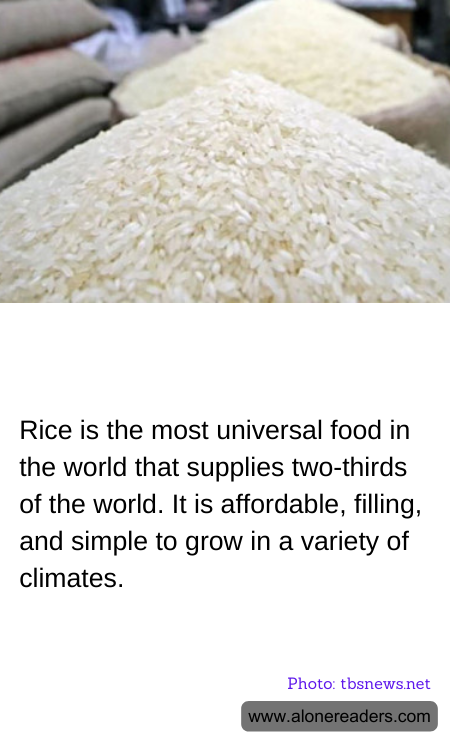
Rice, a staple food for more than half of the world's population, stands as a pillar of global food security and culinary tradition. Reputed for its versatility and ability to adapt to various agricultural conditions, rice is cultivated in over 100 countries, thriving from the wet, tropical regions of Asia to the arid plains of Africa. This adaptability not only speaks to rice's ecological resilience but also to its integral role in cultures worldwide.
The grain's importance is evident in its economic and nutritional contributions. Economically, rice is a vital crop in the global agricultural industry, supporting millions of rural households that rely on its cultivation and processing for their livelihoods. It's especially crucial in Asia, where more than 90% of the world's rice is grown and consumed. This region sees rice not just as a food item but as a fundamental part of its cultural heritage, often associated with prosperity and fertility.
Nutritionally, rice provides more than one-fifth of the calories consumed globally. It is primarily composed of carbohydrates, with small amounts of protein and virtually no fat, making it an energy-rich food that is generally affordable for most populations. The common white rice, while being the most processed form, is a dietary staple for vast numbers of people. However, other varieties like brown rice, black rice, and red rice offer more health benefits due to higher fiber content and the presence of antioxidants.
Rice is also central to many cuisines around the world, integral to many iconic dishes—from the paella of Spain and the risotto of Italy to the sushi of Japan and biryani of India. Each dish showcases rice’s ability to pair well with various flavors and textures, further cementing its place as a global culinary star.
Despite its widespread success and utility, rice farming faces challenges such as water scarcity, climate change, and environmental degradation. These issues necessitate sustainable practices such as improved irrigation techniques, organic farming, and the adoption of new strains that are more resistant to pests, diseases, and extreme weather conditions. Scientists and researchers are continually exploring ways to increase rice yields while minimizing environmental footprints, ensuring that rice continues to nourish the burgeoning global population in a sustainable manner.
In sum, rice’s global dominance as a food staple is a reflection of its agricultural accessibility, nutritional value, and cultural importance. Its simplicity in cultivation and versatility in cooking make it indispensable for food security and illustrate its potential to bridge various cultures through shared culinary traditions. As the world evolves, so too will the methods byProcuring and valuing this universal grain, continuing to feed and unite people across diverse geographies.
