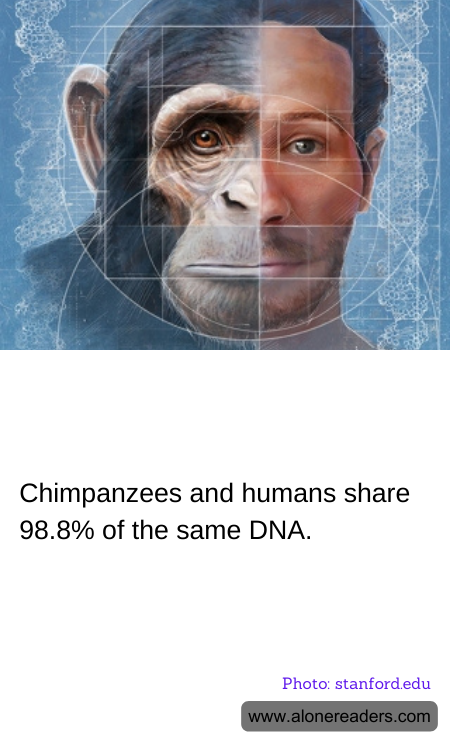
Chimpanzees are not only our closest living relatives in the animal kingdom, but they also share a staggering 98.8% of our DNA, making them more like us than gorillas or orangutans. This remarkable genetic similarity to humans means that chimpanzees offer invaluable insights into the understanding of our own species, both in terms of our physiology and our behavior. Research into our shared DNA has revealed close parallels in social behavior, tool usage, and even some aspects of culture among chimpanzees, suggesting a genetic basis for many traits previously considered uniquely human.
The similarity in DNA between humans and chimpanzees extends to many physical and health aspects as well. For instance, both species can suffer from similar diseases such as the common cold, and heart disease. This has significant implications for medical research, as studies with chimpanzees can lead to better understanding and treatment of human diseases. However, this close genetic relationship also brings ethical concerns, particularly regarding the use of chimpanzees in laboratory research. The biological similarities mean chimpanzees can experience similar levels of suffering and stress to humans when subjected to confinement and invasive procedures, raising ethical questions about their treatment in research settings.
Conservation efforts are also impacted by our genetic kinship with chimpanzeaus, emphasizing the need to protect these animals from deforestation, poaching, and the illegal pet trade. Their well-being is tightly linked not only to their habitats but also to global human practices such as logging and land use changes.
Furthermore, studying the genetic makeup of chimpanzees not only teaches us about our similarities but also highlights the differences that led to the unique pathways of human evolution. For example, despite our shared genetics, there are critical differences in our brain size, structure, and function that have allowed humans to develop complex language and technological societies, which are not observed in chimpanzees.
Understanding these distinctions and similarities advances our knowledge in evolutionary biology, anthropology, and genetics, providing broader insights into the origins of human nature and our evolutionary path. As we continue to explore the commonalities and differences between our species, we not only deepen our understanding of ourselves but also how we fit into the larger context of the natural world. This exploration drives home the responsibility we hold for preserving our shared planet and the diverse life forms it supports.
