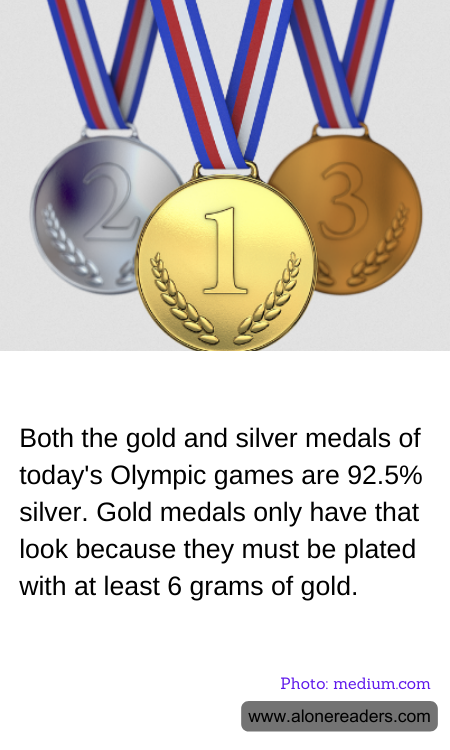
In contemporary Olympic games, although both the gold and silver medals are predominantly composed of silver, their appearances and symbolic values differ significantly due to their composition and history. Intriguingly, both types of medals contain 92.5% silver, aligning them more closely than one might initially think. This high percentage of silver ensures a gleaming, high-quality appearance and preserves the tradition of awarding precious materials to victors, a practice rooted in the ancient origins of the games.
The primary distinction between these two medals, however, lies in their finish. The coveted gold medal distinguishes itself by being coated with at least 6 grams of pure gold. This gold plating process not only differentiates the gold medals visually by giving them their characteristic golden hue but also symbolically underscores the highest achievement in Olympic competition. The requirement for the gold plating ensures the medal remains a significant and cherished prize, reflecting the ultimate accomplishment in an athlete's career.
This blend of silver and gold in the medals is a relatively modern practice, reflecting both economic considerations and the values of sustainability. The cost of crafting solid gold medals for the multiple categories across the numerous events would be prohibitively expensive and potentially unsustainable. By using silver as the base material and adding a gold plating, the Olympic Committees can maintain the tradition of splendor and value in the medals while also managing resources more responsibly.
Silver medals, though they are made of the same silver alloy as the gold medals, do not undergo the gold plating process and retain their natural silver color. These medals, while representing an incredible level of achievement second only to gold, emphasize the difference in rank and the incremental distinctions among Olympic honors. The visual and compositional differences in Olympic gold and silver medals thus carry deep symbolic weight, celebrating varying levels of achievement while maintaining a high standard of precious material and aesthetic quality.
The decision to use 92.5% silver in both medals and to differentiate the gold medal with a layer of gold not only has practical and economic implications but also weaves a narrative of value, achievement, and sustainability into the fabric of the Olympic tradition. This approach ensures that the medals athletes receive are not only symbols of personal and national pride but also artifacts of responsible and adaptive craftsmanship. As the world watches and cheers, these medals resonate with a legacy of excellence and evolve with contemporary values.
