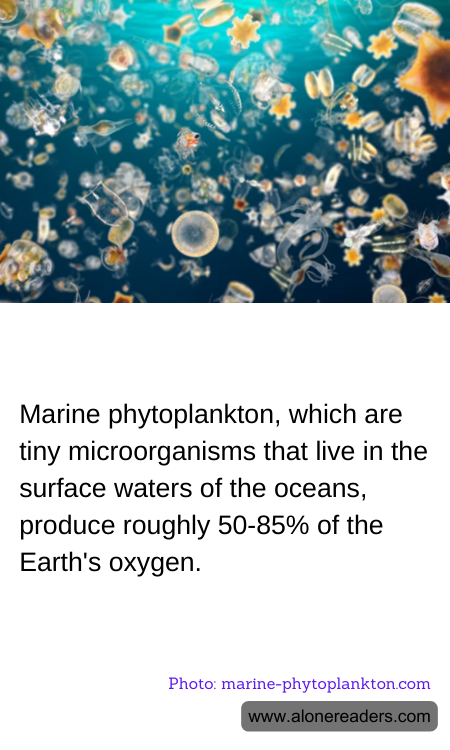
Marine phytoplankton are minuscule photosynthetic organisms that play an incredibly crucial role in both marine ecosystems and the overall environmental health of the Earth. These tiny powerhouses inhabit the upper sunlit layer of almost all oceanic waters and are fundamental to the global carbon cycle, helping to regulate atmospheric carbon dioxide levels. Importantly, they contribute significantly to the planet's oxygen production, with estimates suggesting that they generate about 50-85% of the oxygen we breathe.
Phytoplankton serve as the foundation of the marine food web. These organisms use sunlight, carbon dioxide, and nutrients from the water to produce glucose through photosynthesis, a process which also produces oxygen as a byproduct. Just like plants on land, phytoplankton release oxygen into the environment, effectively serving as the lungs of the ocean. The vast expanses of the oceans mean that these organisms, despite their microscopic size, collectively impact the Earth's atmosphere and help sustain life both in the sea and on land.
The oxygen production of marine phytoplatin differs seasonally and geographically, influenced by factors such as water temperature, light availability, and nutrient supply. Areas known as algal blooms, where phytoplankton grow uncontrollably, dramatically influence local marine environments and global ecological balance. Although these blooms can be harmful, causing problems such as hypoxia (depletion of oxygen) and the death of marine life, they can also be beneficial by drawing down carbon dioxide from the atmosphere.
Moreover, the presence and health of phytoplankton populations are often considered important indicators of climate change and environmental health. Warming oceans, acidification, pollution, and changes in sea currents can all affect phytoplankton, which in turn impacts larger marine animals all the way up to commercial fisheries and the global economy.
Thus, marine phytoplankton are not only vital for maintaining the oxygen balance necessary for life but also serve as a window into the health and changes occurring within marine and global ecosystems. Protecting these organisms and the delicate balance of oceanic ecosystems is imperative for the sustainability of our planet, highlighting the need for continued environmental monitoring and protection measures against climate change and pollution.
