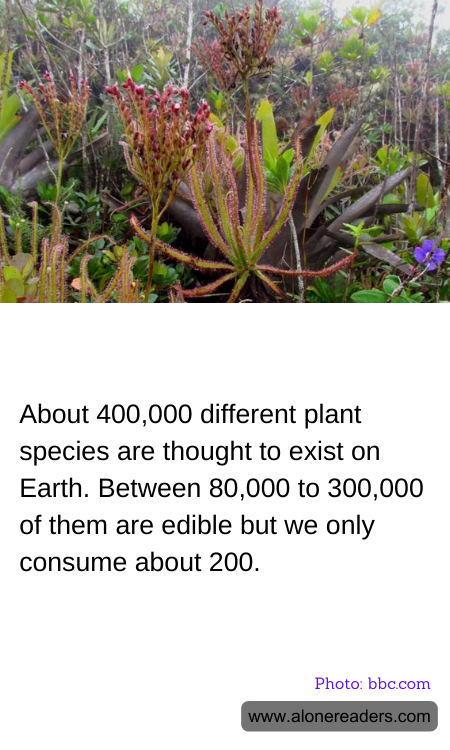
On our planet, an astonishing variety of around 400,000 plant species embellishes ecosystems from arctic tundras to tropical rainforests. This immense diversity of plant life not only fostarts biodiversity but also houses a treasure trove of nutritional possibilities. Surprisingly, out of an estimated 80,000 to 300,000 edible plant species, human diets regularly incorporate only about 200. This narrow dietary range presents a paradox, especially in the context of global nutrition and food security.
The majority of global food consumption is dominated by staple grains such as wheat, rice, and corn, along with a select variety of fruits and vegetables. This limited palette not only restricts nutritional diversity but also renders food systems vulnerable to pests, diseases, and climate change. The reliance on a small number of crop species underlines the lack of utilization of tens of thousands of underexploited plants that could potentially enhance diets, provide food security, and adapt to local conditions of different communities around the world.
Exploring the less utilized edible plants offers multiple benefits. Nutritionally, many of these overlooked plants are rich in vitamins, minerals, and antioxidants, offering balanced and health-enhancing diets. Economically, cultivating a wider array of crops can provide income in rural areas, supporting small farms and sustainable agricultural practices. From an ecological perspective, diverse crops can contribute to more resilient agricultural ecosystems capable of withstanding environmental stresses.
Despite these advantages, numerous challenges inhibit the widespread adoption of a broader variety of edible plants. These include lack of consumer awareness, limited agricultural research funding for less common crops, and gaps in infrastructure to support diverse food production and distribution. Additionally, cultural preferences and dietary habits deeply influence eating patterns, often favoring familiar tastes over novel food sources.
To harness the full spectrum of plant-based nutrition available to us, there is a need for coordinated efforts involving governments, agricultural scientists, nutritionists, and the food industry. Educational campaigns can enlighten the public about the benefits of diversifying their diets. Research initiatives could focus on improving the yield and resilience of lesser-known crops, and businesses could explore new markets for these plants, creating greater demand and integrating them into the global food supply chain.
In conclusion, while the plant kingdom offers a vast array of edible options, the challenge lies in expanding the scope of our plates to include a richer diversity of these resources. Embracing a wider array of plant-based foods can lead to more sustainable, resilient, and nutritious food systems, aligning with both ecological balance and human health objectives.
