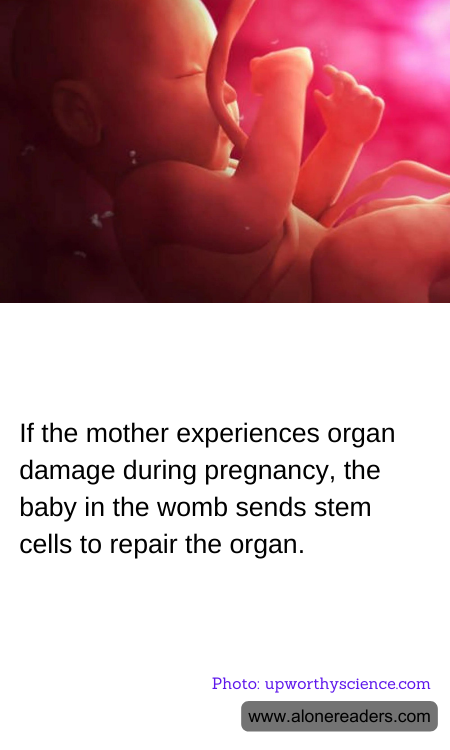
Pregnancy is a period where the maternal body undergoes significant adjustments and challenges. One of the most fascinating aspects of this process is the dynamic interaction between the health of the mother and the developing fetus. When a mother experiences organ damage during pregnancy, a remarkable biological phenomenon can occur—her baby can actually contribute to the healing process through the transmission of stem cells. This unique adaptive mechanism highlights the deep biological connection between mother and child and underscores the potential therapeutic uses of stem cells.
Stem cells are undifferentiated cells known for their ability to transform into various types of cells, and they play a critical role in the body's repair mechanism. During pregnancy, the fetus houses a rich supply of stem cells, particularly in the umbilical cord but also circulated throughout the body. In instances where the mother suffers organ damage, signals from the damaged organ can mobilize these fetal stem cells to cross into the maternal bloodstream. Once at the site of injury, these cells have the capability to differentiate into the types of cells the organ needs to repair itself, aiding in the healing process. This is not just limited to minor damages; significant organ injuries such as those to the liver or the heart can also potentially be mitigated by this fetal cellular intervention.
The exchange of cells between mother and fetus, known as microchimerism, is a natural part of pregnancy. While the primary role of these cells was initially believed to be involvement in immune system modulation to prevent the mother's body from rejecting the fetus, research has expanded understanding towards their role in promoting maternal health. Studies have shown these stem cells can integrate into tissues including the heart, liver, and even the brain, contributing to repair processes.
This biological interaction suggests a mutual benefit—the fetus aids in enhancing the mother's wellbeing, consequently improving the conditions for its development and growth. This mutual support system highlights not only an evolutionary advantage but also sheds light on potential medical applications such as developing new stem cell therapies for organ repair. It could also provide insights into why some pregnancy complications occur when these mechanisms fail and potentially open up innovative ways to prevent or treat these conditions.
While this is a field still rife with ongoing research, the implications of these findings are profound, offering a glimpse into the sophisticated and interconnected nature of maternal and fetal health, and bolstering the marvel of human biology.
