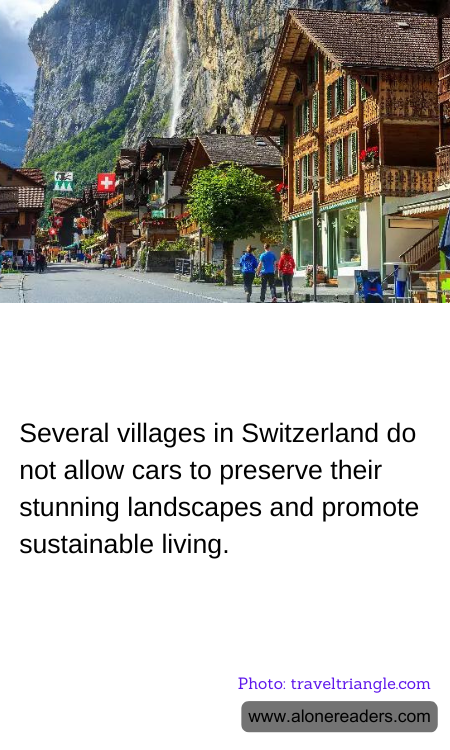
In an age where environmental concerns are paramount, several villages in Switzerland have taken a bold step towards sustainability and preservation of natural beauty by creating car-free zones. This move is aimed not only at conserving the environment but also at enhancing the quality of life for residents and the experience for visitors.
These car-free villages, like Zermatt and Wengen, are nestled in scenic regions where the allure of pristine landscapes is undeniable. Zermatt, located at the foot of the iconic Matterhorn, and Wengen, set against the backdrop of the Jungfrau region, offer breathtaking views that are unmarred by the usual trappings of modern vehicular infrastructure. The absence of cars in these areas helps maintain the purity of the air and contributes to the tranquility and peace that these locales are known for.
To facilitate transportation within these villages and surrounding areas, alternative modes of transport such as electric buses and bicycles are actively promoted. In Zermatt, for instance, electric vehicles and horse-drawn carriages are a common sight. These measures not only keep the environment clean but also lower the carbon footprint of these tourist-heavy destinations.
The impact of such policies extends beyond environmental benefits. The car-free initiative heavily influences the local culture and lifestyle, encouraging a slower, more mindful way of living that is deeply connected to nature. Residents and visitors alike are seen walking or cycling, taking in the scenery at a leisurely pace which enhances wellness and reduces stress.
Moreover, the tourism industry in these regions has adapted to maintain this car-free status while still providing accessibility and convenience. With the nearest car-accessible points only a train or cable car ride away, these villages remain well-connected yet pristinely isolated, offering a unique escape from the high pace of contemporary life. This blend of accessibility and preservation makes them attractive destinations for those seeking respite from the urban sprawl.
Switzerland’s commitment to these car-free zones showcases a model of sustainable tourism that harmonizes economic interests with ecological sensitivity. This approach not only preserves the landscape but also enriches the visitor experience, providing a template that other regions globally might consider adopting. It serves as a testament to the possibilities of sustainable living and responsible tourism, ensuring these stunning landscapes can be enjoyed for generations to come.
