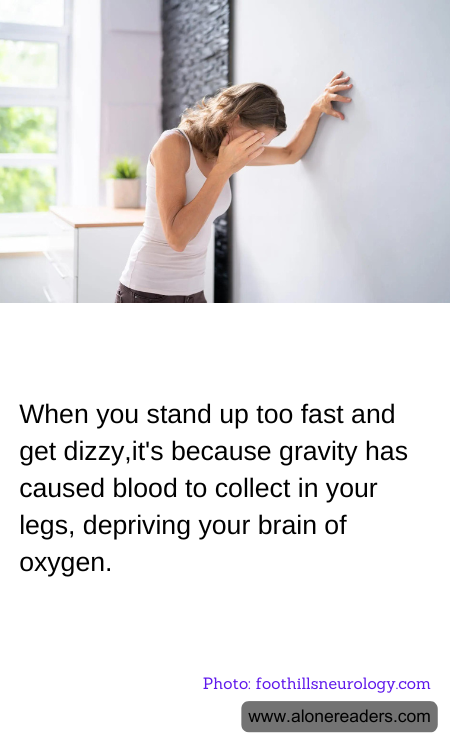
When you suddenly stand up after sitting or lying down and feel dizzy, this phenomenon is commonly known as orthostatic hypotension, or more colloquially, a head rush. This temporary dizzy spell occurs primarily due to a rapid drop in blood pressure. The mechanics of this process start with gravity’s effect on your body. While you are seated or lying down, your heart and blood vessels maintain your blood pressure in a steady state to ensure adequate blood flow to all parts of your body, including your brain.
As you stand up quickly, gravity pulls blood toward your lower body, causing a momentary decrease in blood pressure. The heart normally compensates by increasing the heart rate, and the blood vessels constrict to minimize the pooling of blood in your legs and maintain blood flow to the brain. However, if these adjustments lag temporarily, the blood supply to the brain decreases momentarily, leading to light-headedness or dizziness.
This sensation is generally brief but can be disorienting. In some cases, it could even cause fainting if the brain is deprived of oxygen for too long. The occurrence and intensity of orthostatic hypotension can vary widely among individuals. Factors contributing to this condition can include dehydration, certain medications, or significant periods of immobility. Moreover, it can be more prevalent in older adults or people with health conditions that affect the heart, blood vessels, or nervous system that regulates blood pressure.
To mitigate the effects of orthostatic hypotension, you can practice getting up slowly when transitioning from lying down or sitting to standing. Additionally, ensuring adequate hydration, maintaining a healthy diet, and regular exercise to strengthen the heart and vascular system can also help manage and reduce the likelihood of experiencing severe dizziness upon standing. If you frequently experience severe dizziness or fainting spells, consulting with a healthcare provider is advised to rule out more serious underlying conditions. This simple awareness and preventive steps can significantly reduce the risk and impact of these dizzy spells, thus ensuring better health and minimizing potential injuries from falls related to sudden dizziness.
