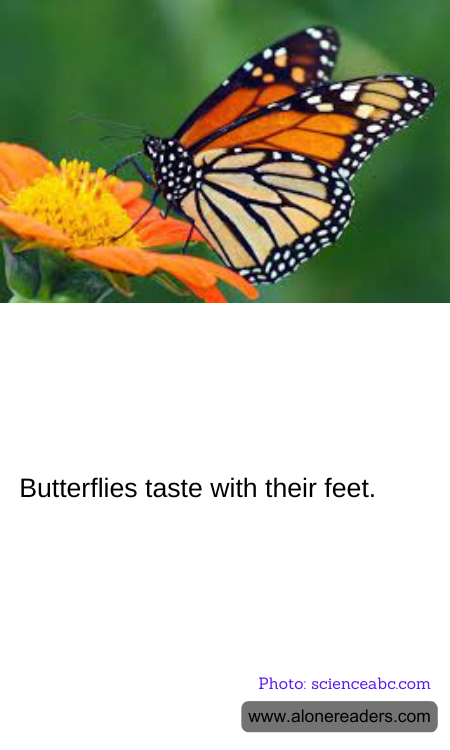
Butterflies are one of nature's most colorful and fascinating creatures, known for their dramatic metamorphosis and striking wing patterns. One intriguing aspect of their biology is that they taste with their feet, a feature that might seem bizarre to humans but serves a practical and essential function in their survival.
The sensory process in butterflies begins when they land on a potential food source. Unlike humans, who have taste buds on their tongues, butterflies have gustatory receptors located on their tarsi—the parts of their legs closest to their feet. These receptors are equipped to detect the sugars and other nutrients dissolved in the moisture, which can signal to the butterfly that the plant is a good source of nectar or suitable for laying eggs.
This method of tasting is particularly useful during feeding and breeding. When a butterfly lands on a flower, its feet pick up chemical cues from the plant's surface, instantly analyzing whether the plant contains adequate nutrients or whether it is suitable for egg-laying. This information is crucial as it determines the butterfly's actions, such as feeding or choosing the site for the next generation of butterflies.
The feet of butterflies are not only about tasting but also serve as a tool for exploring their environment. As they walk across surfaces, they collect chemical information, which helps them navigate and make decisions essential for their survival, whether it's finding food or a mate.
Furthermore, this unique method of tasting plays a critical role in the pollination process. As butterflies move from flower to flower tasting with their feet, they inadvertently pick up pollen on their bodies and spread it to other plants. This cross-pollination is vital for the reproduction of many species of plants and helps maintain the health of ecosystems.
Butterflies' ability to taste with their feet is a remarkable adaptation that highlights the complexity of nature's designs. It allows them to efficiently find food and breeding sites, ensuring their survival and continuation of their species. This sensory adaptation is just one of the many examples of how life forms have evolved specialized traits to thrive in their environments.
