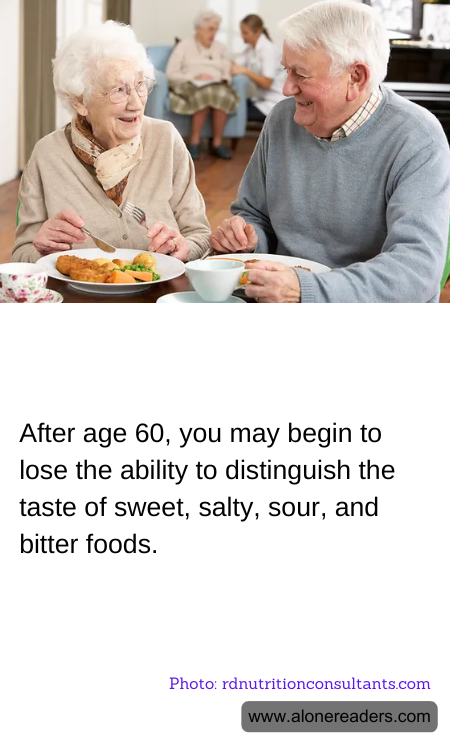
As people age, many experience changes in their senses, and one of the most common changes is in the sense of taste. After the age of 60, it's not uncommon for individuals to start noticing a decline in their ability to distinguish between the basic tastes: sweet, salty, sour, and bitter. This sensory change can significantly impact one’s eating habits and overall quality of life.
The sense of taste, while often taken for granted, plays a critical role in our health and well-being. It helps us enjoy food and influences our food choices, which in turn affects our nutrition. Taste perception involves the taste buds and the brain, and both can deteriorate with age. The number of taste buds decreases, and those remaining may shrink. Furthermore, each taste bud contains taste receptor cells, which regenerate less rapidly as we age. This reduction in taste cells and their slower renewal predominantly contribute to the diminished taste sensitivity among older adults.
In addition to biological changes, other factors like medications, which are more commonly prescribed to older populations, can also influence taste perception. Certain medications can alter or reduce the ability to taste by interfering with the taste receptors or the signaling process that communicates the taste information to the brain. Dental problems and poor oral hygiene, which are more prevalent in older adults, can further compound these issues.
These changes can lead to challenges such as decreased appetite and poor nutrition, as foods may become less appealing. When taste perception weakens, older adults may tend to over-season their food, which can be problematic if there needs to be dietary restrictions, especially concerning sodium intake.
However, there are ways to manage and adapt to these changes. Enhancing the flavors of food using herbs, spices, and aromatic ingredients like garlic, onion, and citrus can help make meals more appealing without adding excessive salt or sugar. Regular dental check-ups and good oral hygiene can mitigate some taste issues by addressing dental problems that could impair taste. Staying hydrated is also essential because a dry mouth can significantly reduce taste sensitivity.
While changes in taste can be disconcerting, understanding that this is a normal part of aging and finding creative ways to adapt diet and meal preparation can help maintain both the joy of eating and adequate nutrition.
