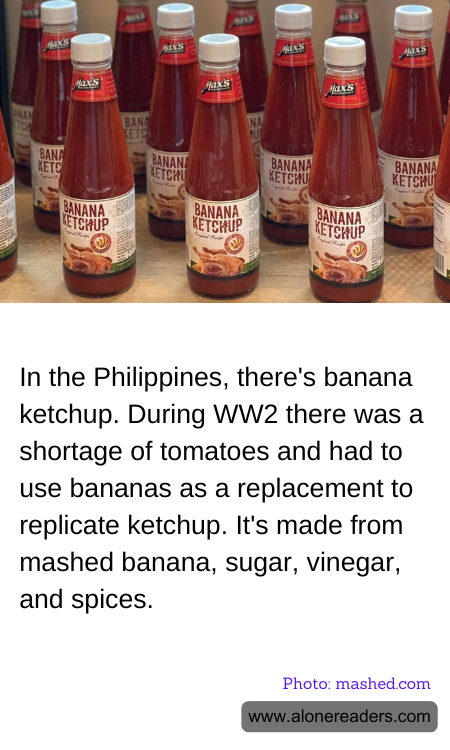
The vibrant culinary scene in the Philippines often surprises visitors with its unique and colorful adaptations of common foods. One such innovation is banana ketchup, a popular condiment that's as versatile as it is flavorful. This peculiar sauce outgrew its wartime roots to become a staple in Filipino kitchens, illustrating the ingenuity the country puts into its cuisine.
Banana ketchup was born out of necessity during World War II when the Philippines faced a significant shortage of tomatoes. Resourceful locals, unwilling to forego their beloved ketchup, turned to the abundant banana to fill the void. This substitute not only successfully imitated the texture of traditional tomato ketchup but was also cheaper and easier to produce using local resources.
The production of banana ketchup begins with the mashing of bananas, which are then enhanced with sugar, vinegar, and a blend of spices to add depth and complexity to the flavor. The result is a sweet, tangy sauce with a hint of spice that perfectly complements a wide range of dishes. Over time, food coloring was added to give the condiment its distinctive red appearance, making it look more like the tomato ketchup it was meant to replace.
Today, banana ketchup is a cultural icon in Filipino cuisine, found in almost every household and served with a variety of dishes. It is particularly beloved as a dipping sauce for fried foods such as lumpia (spring rolls) and chicken, and is essential in the preparation of Filipino-style spaghetti, which is notably sweeter than its Italian counterpart. Its integration into such a wide array of dishes is testament to its popularity and versatility.
Beyond its culinary uses, banana ketchup also tells a story of resilience and creativity. It reflects the Filipino knack for innovation, demonstrating how the constraints of war could not dampen the vibrant local gastronomy but instead enriched it. What began as a makeshift solution has evolved into a cherished condiment, securing its place in the heart of Filipino culture and cuisines around the world.
