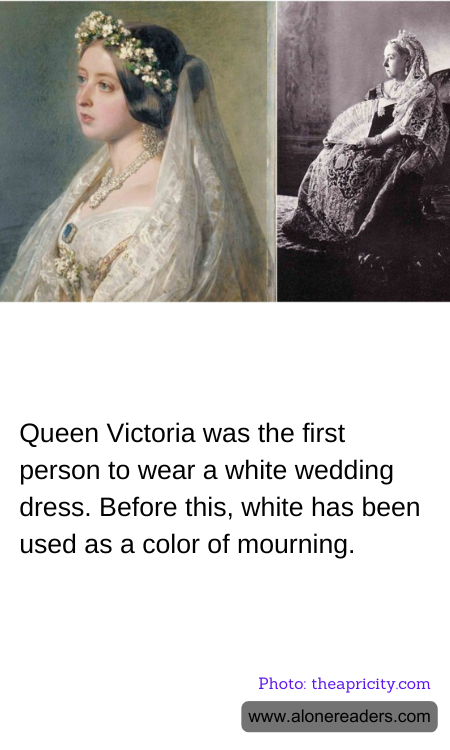
Contrary to popular belief, Queen Victoria was not the first person to wear a white wedding dress, though her choice of a white gown for her wedding in 1840 to Prince Albert is often credited with popularizing this fashion trend. Before Victoria, white was used as a wedding color but was not universally revered as a bridal color. In many cultures, white was indeed associated with mourning, particularly in Eastern cultures, where white is often worn at funerals. In Western civilizations, such as in ancient Rome, brides commonly wore white to symbolize purity and chastity.
Queen Victoria's decision to wear a white gown was in fact more about political maneuvering and personal preference than starting a new bridal wear trend. She chose white primarily to incorporate some lace she prized highly, which also showcased the British lace industry, thereby promoting local craftsmanship during a period of economic hardship. This action had a broader socio-economic impact, supporting local industry and setting a royal example for fashion.
The photograph of Queen Victoria in her white wedding dress went on to become highly influential, indeed casting a lasting trend within the Western bridal tradition. As photography became more mainstream, images of her royal wedding circulated widely, setting a precedent for other brides to follow. Over time, the white dress began to be associated firmly with purity and new beginnings, becoming a vital icon in the world of weddings. This shift in societal norms transformed white from a color of mourning into a staple of bridal fashion nearly synonymous with the virtues of Victorian morality and the sanctity of marriage.
This evolution of the white wedding dress showcases how fashion can intersect with cultural traditions, economic conditions, and technological advances to undergo significant transformations over time. Such trends also reflect changing attitudes towards marriage itself, colored by historical periods and the influential figures of the time.
