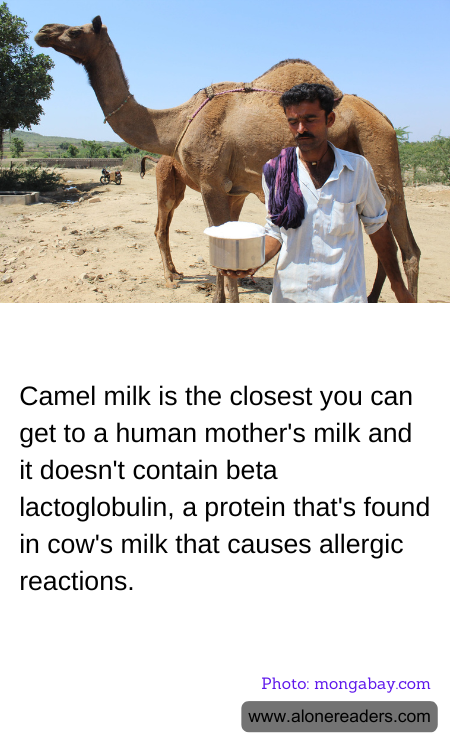
Camel milk has gained recognition not only for its unique taste and nutritional benefits but particularly for its striking similarity to human breast milk in terms of composition and its hypoallergenic properties. Unlike cow's milk, which contains beta-lactoglobulin—a protein that is a common allergen—camel milk is free from this protein, making it suitable for individuals, especially children, who suffer from dairy allergies.
Beta-lactoglobulin is associated with causing allergic reactions in some people, manifesting in symptoms such as skin rashes, gastrointestinal distress, and respiratory issues. Since camel milk lacks this protein, many individuals who are unable to tolerate cow's milk can comfortably consume camel milk without experiencing these adverse reactions.
Nutritionally, camel milk is a powerhouse providing a host of benefits. It is rich in vitamins such as Vitamin B and C, minerals like iron and zinc, and has a high concentration of insulin, making it potentially beneficial for managing diabetes. The immune properties of camel milk are also noteworthy; it contains various antibodies which may help fight diseases.
In many cultures, particularly in arid regions like the Middle East and parts of Africa, camel milk has been a staple for centuries, not only due to its adaptability in harsh climates but also for its nutritional value in diets where other dairy sources might be scarce. Its recent introduction into Western markets is expanding its reach, offering a novel alternative for the health-conscious consumer and those with specific dietary restrictions.
While further research is necessary to fully understand all the benefits and potential uses of camel milk, its current known properties make it a fascinating and valuable alternative to traditional cow's milk, offering hope for people with milk allergies and lactose intolerance, and perhaps even broader health benefits. Access to camel milk continues to improve with specialized dairy products and powder forms now becoming more available globally, making it easier for people everywhere to explore the potential benefits of this unique dairy alternative.
