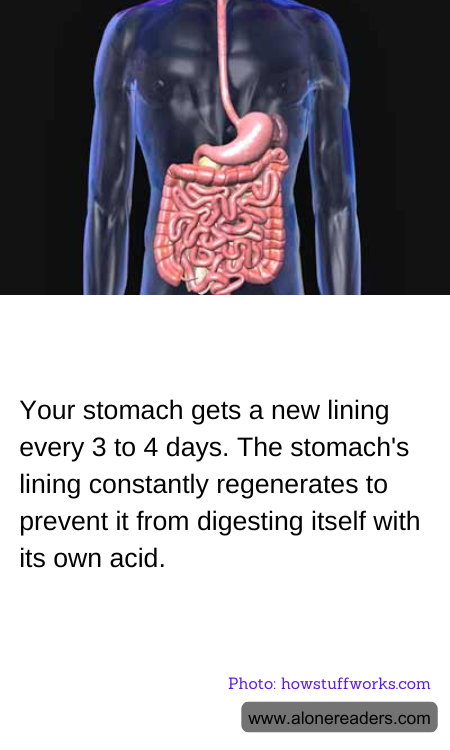
The human stomach is a remarkable organ, uniquely designed to perform its role in the digestive system. One of its most incredible features is its ability to regenerate its lining every three to four days. This rapid turnover is crucial because the stomach's primary function is to break down food using highly corrosive acids and enzymes. This harsh environment is effective for digestion but could be detrimental to the organ itself without proper protective mechanisms.
The stomach lining is composed of several layers, including an inner mucosa layer that contains the gastric glands. These glands secrete gastric juices, which include hydrochloric acid and pepsinogen. These secretions are powerful enough to break down food particles but also pose a potential threat to the stomach tissue. To protect itself, the stomach produces a layer of mucus, which coats the interior surfaces and shields the tissues from the acidic environment.
The rapid regeneration of the stomach lining is facilitated by the stem cells located in the deeper layers of the gastric mucosa. These cells continuously divide to produce new cells that migrate towards the surface, replacing older cells that are shed or damaged by the harsh acidic conditions. This continuous cycle of renewal not only helps to maintain the integrity of the lining but also ensures that any potential damage from the acidic contents of the stomach is quickly repaired.
The ability to renew its lining so frequently is a key adaptation that allows the stomach to continue functioning effectively, despite the challenges posed by its acidic contents. This process is a prime example of the dynamic nature of the human body and its ability to maintain homeostasis through complex, well-coordinated biological mechanisms. Understanding these mechanisms further can provide insights into various gastrointestinal disorders and potentially lead to new approaches in treating ailments related to the digestive system.
