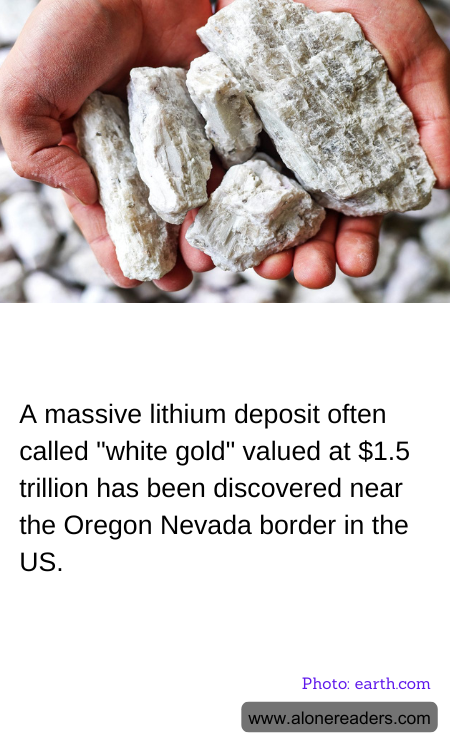
The recent discovery of an immense lithium deposit near the Oregon-Nevada border has sent ripples through various sectors, heralding what many are calling a new era for renewable energy resources in the United States. This lithium reserve, colloquially termed as "white gold," is estimated to be worth approximately $1.5 trillion, underscoring its potential transformative impact on the tech and automotive industries, particularly for electric vehicles (EVs).
Lithium, a critical component in the batteries that power everything from smartphones to EVs, is increasingly in demand as the world shifts towards sustainable energy solutions. The U.S. has been relatively dependent on lithium imports, primarily from countries like Australia, Chile, and Argentina. However, the discovery of such significant domestic reserves could shift this dynamic, reducing the U.S.'s dependency on foreign lithium supplies and potentially lowering costs for consumers and manufacturers alike.
The strategic implications of this discovery are profound. It could bolster the U.S.'s position in the global energy market, providing leverage in geopolitical energy conversations, particularly as nations seek to secure stable and sustainable supply chains. Furthermore, this could accelerate the U.S. government's initiatives towards a greener economy, supporting infrastructure development and advancements in technology required for the extraction and processing of lithium in a more environmentally responsible manner.
Economically, the lithium deposit is poised to provide a substantial boost to the local economies of Oregon and Nevada through job creation and increased investment in local infrastructure. The development of this deposit will require significant technological innovation to ensure that extraction methods are both efficient and environmentally sound, presenting opportunities for local tech startups and established firms to innovate and grow.
Environmental considerations will play a crucial role in the development of this deposit. The extraction of lithium, while essential for the production of EV batteries, can be environmentally damaging if not managed correctly. Striking a balance between economic benefits and environmental protection will be key. Technologies and processes that minimize water usage, reduce carbon footprints, and manage waste effectively will have to be implemented to mitigate the environmental impact.
Overall, the discovery of such a substantial lithium deposit within the U.S. borders could serve as a cornerstone for the country's energy independence and environmental sustainability efforts. It promises to catalyze further innovations in battery technology, potentially reducing reliance on fossil fuels and supporting the global transition towards renewable energy sources. However, it also necessitates careful consideration of the environmental impacts, urging industry and government alike to prioritize sustainable practices in the burgeoning domestic lithium market.
