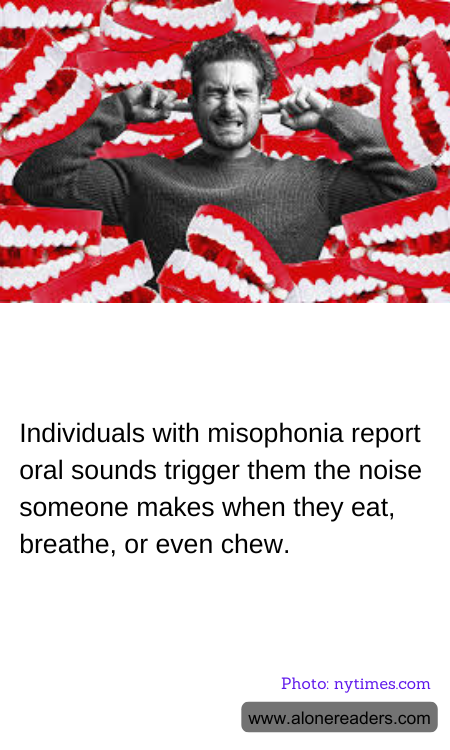
Misophonia, a condition less widely recognized than other auditory processing disorders, manifests as a strong emotional reaction to common everyday sounds which most people find harmless. Among the most provocative triggers for individuals with misophonia are sounds related to eating, breathing, or chewing. The very noise of someone smacking their lips or slurping can evoke feelings of intense irritation, disgust, or anger in a person with this condition.
The exact causes of misophonia are not yet fully understood, but it appears to involve both neurological and psychological components. Research suggests that misophonia might be linked to how sound affects the brain and triggers a fight or flight response. The sounds that trigger misophonia sufferers can evoke a physiological response that is out of proportion to the trigger itself, including elevated heart rate and increased sweating.
Living with misophonia can be highly challenging, as the triggering sounds are often part of everyday life and social situations—such as family meals, work settings, or public spaces—making them difficult to avoid. This can lead to a significant impact on personal and social life, causing individuals to avoid social gatherings or even to isolate themselves to reduce exposure to triggering noises.
Treatment for misophonia can vary but often includes sound therapy, cognitive behavioral therapy, and sometimes lifestyle changes to help manage triggers. Some individuals find relief by using headphones with music to mask triggering noises, while others might need to focus more on coping mechanisms and relaxation techniques to manage their emotional reactions.
By raising awareness and understanding of misophonia, it may become easier for those affected to find support and solutions that allow them to live more comfortably. Also, increasing sensitivity towards this condition can encourage society at large to adopt more considerate habits in communal settings, such as reducing background noise and being mindful of others' auditory sensitivities.
