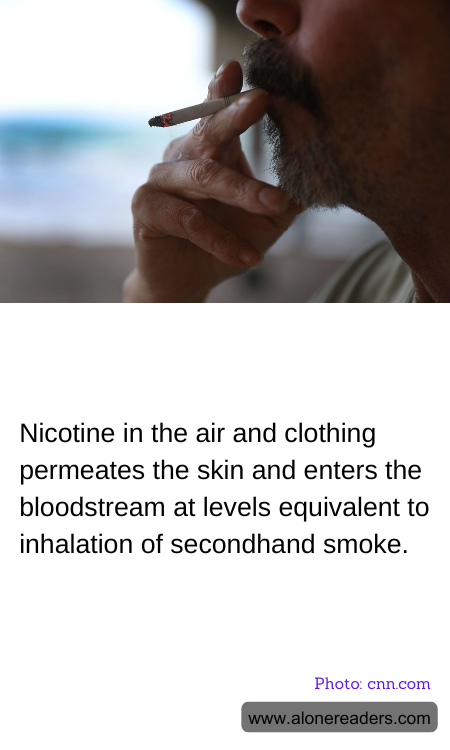
Nicotine exposure, traditionally associated with direct smoking or inhalation of secondhand smoke, also finds a less obvious but equally hazardous pathway through air and contact with contaminated clothing. When nicotine-infused air or residues on fabrics come in contact with the skin, they can permeate its layers and enter the bloodstream. This process, though slower, can result in nicotine levels comparable to those from passive smoke inhalation.
In environments such as homes or cars where smoking occurs, nicotine lingers in the air and settles on surfaces, including clothing. Once embedded in fabric, nicotine can be released over time, maintaining an environment of exposure even in the absence of active smoking. The skin, being the largest organ of the body, acts as a porous entry point. Contact with nicotine-tainted materials activates a transdermal transfer of the substance directly into the bloodstream.
This form of exposure is particularly concerning due to its stealthy nature. Individuals may not be aware that they are absorbing nicotine simply by sitting in a room or wearing clothes previously exposed to smoke. This has broader implications for public health, especially concerning children and non-smokers who might believe they are avoiding nicotine exposure by steering clear of smoke-filled settings. Furthermore, such exposure can perpetuate nicotine addiction or even initiate it in nonsmokers, complicating public health efforts to reduce tobacco-related harm.
Compounding the issue is the challenge of cleansing environments and materials from nicotine residues. Regular cleaning methods may not effectively remove nicotine from air or fabrics, allowing for ongoing exposure until more thorough decontamination methods are employed.
Addressing this health risk requires increased awareness about the invisible dangers of nicotine residue and enhanced strategies for purifying air and cleaning fabrics in environments once exposed to smoke. Encouraging smoke-free policies in both public and private spaces could significantly reduce the risk of such indirect nicotine exposure, further protecting the health of individuals, especially vulnerable populations like children and the elderly.
