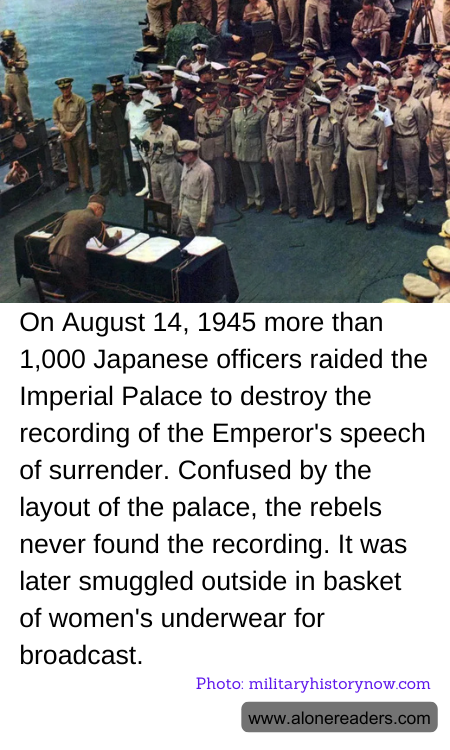
On the momentous day of August 14, 1945, a pivotal episode unfolded that was almost lost in the shadow of the global relief that World War II was finally ending. In a dramatic turn of events echoing the intense national turmoil, over a thousand Japanese military officers launched a desperate raid on the Imperial Palace in Tokyo. Their mission was singular: to find and destroy a recording that bore the voice of Emperor Hirohito, announcing Japan’s surrender.
The raid underscored the stark division within Japanese ranks about the decision to surrender. These officers, unwilling to accept defeat, believed that by destroying the recording, they could potentially derail the surrender process and continue the war. The palace, a sprawling complex with an intricate layout, became a maze where the officers' plans went awry. Confused and unable to locate the recording, their mission failed, leaving the pivotal message intact.
The recording of the Emperor’s speech was not just another tape; it was a symbol of a monumental shift in Japan's imperial history, carrying the weight of the Emperor’s voice which had never been heard by the common public. To safeguard this historic recording, it was ingeniously smuggled out of the palace hidden in a basket of women's underwear, a disguise that likely seemed too mundane to attract attention. This act of covert resistance was critical; it ensured that the Emperor’s message, advocating for peace and surrender, reached across Japan and the globe.
On August 15, 1945, the recording was broadcasted, marking a poignant end to hostilities and altering the course of Japanese history. The Emperor, revered as divine, spoke of enduring the "unendurable" and swallowing his "tears of sorrow," asking his people to lay down their arms. This speech not only marked the end of Japan’s involvement in World War II but also initiated a period of profound transformation for the nation.
The event highlighted the deep-seated conflict between those who wished to continue the war and those who sought to rebuild a war-ravaged nation. The raid on the Imperial Palace is a less recounted yet striking incident of World War II's closing chapters, revealing the complexities and internal conflicts that defined the final days of the Pacific War.
