More About This Card
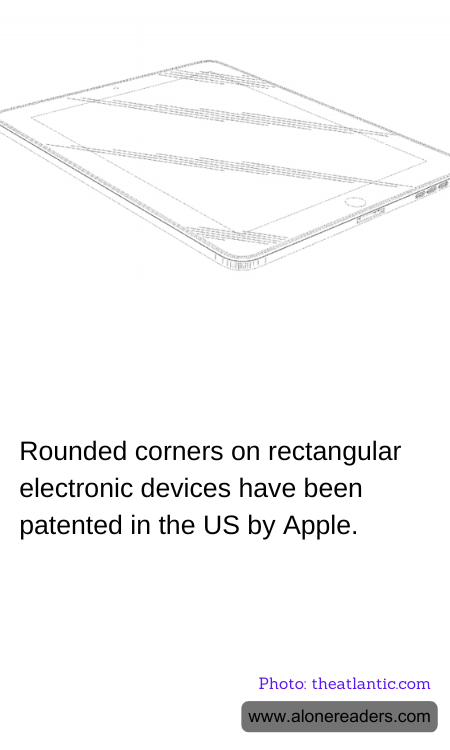
In the realm of technology and design, the aesthetics of electronic devices have become almost as significant as their functionality. One of the most notable design elements that have gained attention over the years is the use of rounded corners on rectangular electronic devices. This seemingly simple design choice has been patented in the United States by Apple, a company renowned for its innovative approach to both technology and design.
The patenting of rounded corners by Apple is a testament to the company's commitment to design excellence and its influence on the tech industry. This design feature, while subtle, plays a crucial role in the user experience. Rounded corners are not just about aesthetics; they contribute to the ergonomics of a device, making it more comfortable to hold and use. This design choice also enhances the visual appeal of devices, giving them a sleek and modern look that has become synonymous with Apple's brand identity.
Apple's decision to patent rounded corners underscores the importance of intellectual property in the tech industry. By securing a patent, Apple not only protects its design innovations but also sets a standard that competitors often strive to emulate. This move highlights the competitive nature of the tech industry, where even the smallest design elements can become a significant point of differentiation.
The impact of Apple's patent extends beyond its own product line. It has influenced the design language of the entire industry, with many manufacturers adopting similar design elements in their devices. This widespread adoption speaks to the effectiveness and appeal of rounded corners, which have become a hallmark of modern electronic design.
However, the patenting of such a fundamental design element has sparked discussions about the nature of design patents and their implications for innovation. Critics argue that patenting basic design features could stifle creativity and limit the ability of other companies to innovate. On the other hand, proponents believe that such patents are essential for protecting the investments companies make in research and development.
In conclusion, Apple's patent on rounded corners for rectangular electronic devices is more than just a legal maneuver; it is a reflection of the company's design philosophy and its impact on the tech industry. This design choice, while seemingly minor, has become a defining characteristic of modern electronic devices, influencing both aesthetics and functionality. As the industry continues to evolve, the balance between protecting design innovations and fostering an environment of creativity and competition remains a critical consideration for companies and consumers alike.