More About This Card
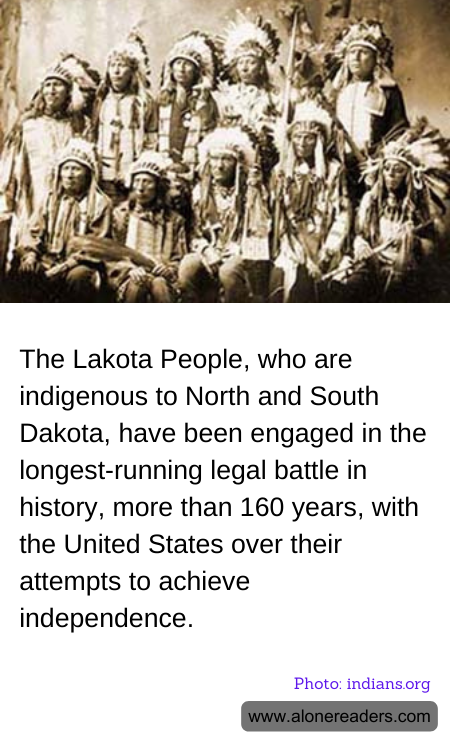
The Lakota people, indigenous to the regions now known as North and South Dakota, have been embroiled in a legal struggle with the United States government that spans more than 160 years. This protracted battle is not only the longest-running legal dispute in American history but also a poignant symbol of the enduring quest for justice and sovereignty by Native American tribes. The roots of this conflict trace back to the 19th century, when the U.S. government began encroaching on Lakota lands, despite treaties that promised otherwise.
The Fort Laramie Treaty of 1868 was a pivotal agreement that recognized the Black Hills as part of the Great Sioux Reservation, designated exclusively for the Lakota people. However, the discovery of gold in the Black Hills led to a surge of settlers and miners, prompting the U.S. government to seize the land in violation of the treaty. This act of betrayal ignited a series of conflicts and legal battles as the Lakota sought to reclaim their sacred lands and uphold their rights as a sovereign nation.
In 1980, the U.S. Supreme Court ruled in United States v. Sioux Nation of Indians that the Black Hills had been taken illegally and awarded the Lakota financial compensation. However, the Lakota people refused the monetary settlement, which has grown to over a billion dollars due to interest, insisting instead on the return of their land. For the Lakota, the Black Hills are not merely a piece of real estate but a sacred site integral to their cultural and spiritual identity. Their refusal to accept the settlement underscores a profound commitment to their heritage and a steadfast demand for justice.
The Lakota's legal struggle is emblematic of broader issues faced by indigenous communities across the globe, who continue to fight for recognition, rights, and restitution. Their story is a testament to resilience and the enduring spirit of a people determined to preserve their way of life against overwhelming odds. It also serves as a reminder of the complex and often painful history between the United States and its indigenous populations, highlighting the need for reconciliation and meaningful dialogue.
As the Lakota people continue their quest for justice, their struggle resonates with many who advocate for indigenous rights and environmental protection. The ongoing legal battle is not just about land; it is about the right to self-determination and the preservation of a cultural legacy that has endured for centuries. The Lakota's unwavering stance invites reflection on the importance of honoring treaties and respecting the sovereignty of indigenous nations, urging a reevaluation of historical injustices and a commitment to a more equitable future.