More About This Card
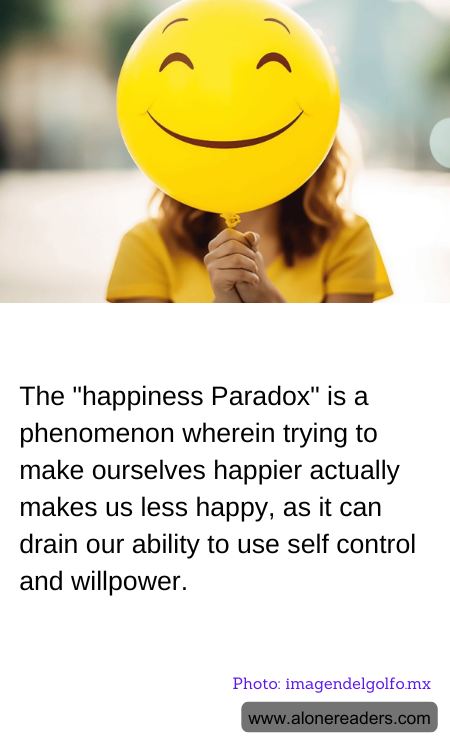
In the pursuit of happiness, many individuals find themselves ensnared in a paradoxical trap: the more they strive to be happy, the less content they become. This phenomenon, known as the "happiness paradox," suggests that the relentless quest for happiness can actually deplete our self-control and willpower, leaving us feeling more dissatisfied than before.
At the heart of the happiness paradox is the idea that happiness is not a destination but a byproduct of living a fulfilling life. When individuals focus excessively on achieving happiness, they often set unrealistic expectations and goals. This can lead to a cycle of disappointment and frustration when those expectations are not met. The constant pressure to be happy can also cause individuals to overlook the small, everyday moments that contribute to genuine contentment.
Moreover, the pursuit of happiness often involves a significant expenditure of mental energy. People may engage in activities they believe will make them happy, such as shopping, socializing, or engaging in self-improvement projects, only to find that these activities require more effort and self-control than anticipated. This can lead to burnout, as the constant striving for happiness becomes a source of stress rather than joy.
The happiness paradox also highlights the role of societal pressures in shaping our perceptions of happiness. In a world where social media often portrays idealized versions of life, individuals may feel compelled to measure their happiness against the curated lives of others. This comparison can lead to feelings of inadequacy and dissatisfaction, as people struggle to live up to the unrealistic standards they perceive around them.
To navigate the happiness paradox, it is essential to shift the focus from the pursuit of happiness to the cultivation of meaningful experiences and relationships. Embracing a mindset of gratitude and mindfulness can help individuals appreciate the present moment and find joy in the simple pleasures of life. By prioritizing activities that align with personal values and passions, rather than those that promise happiness, individuals can foster a more authentic sense of well-being.
Ultimately, the happiness paradox serves as a reminder that happiness is not something to be chased or achieved through sheer willpower. Instead, it is a natural outcome of living a life that is true to oneself, filled with purpose, and enriched by connections with others. By letting go of the relentless pursuit of happiness, individuals can find a deeper, more enduring sense of contentment that transcends fleeting moments of joy.