More About This Card
Crying is often perceived as a sign of vulnerability or sadness, but recent research suggests it plays a more complex role in our physiological and emotional well-being. One of the fascinating aspects of crying is its ability to stimulate the vagus nerve, which can lead to a slower heart rate and a profound sense of calm. This connection between crying and the vagus nerve offers a deeper understanding of why shedding tears can be so cathartic.
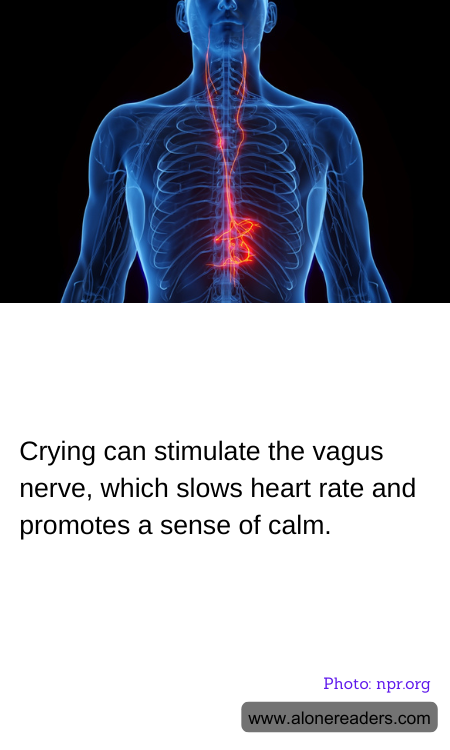
The vagus nerve is one of the longest nerves in the body, running from the brainstem through the neck and into the chest and abdomen. It is a crucial component of the parasympathetic nervous system, which is responsible for the body's rest and digest functions. When the vagus nerve is activated, it helps to reduce stress and promote relaxation by slowing the heart rate and lowering blood pressure. Crying, it turns out, is one of the natural ways to stimulate this nerve.
When we cry, especially during emotional moments, our bodies release a cocktail of hormones and chemicals, including oxytocin and endorphins. These substances not only help to alleviate pain but also trigger the vagus nerve, enhancing its calming effects. This physiological response can explain why people often feel a sense of relief or tranquility after a good cry. It is as if the body is resetting itself, allowing for a moment of emotional release and physical relaxation.
Moreover, the act of crying can serve as a form of non-verbal communication, signaling to others that we are in need of support or comfort. This social aspect of crying can further enhance its calming effects, as receiving empathy and understanding from others can reinforce feelings of safety and connection. In this way, crying not only benefits the individual but also strengthens social bonds, creating a supportive environment that promotes overall well-being.
Understanding the link between crying and the vagus nerve can help destigmatize the act of crying, encouraging people to embrace their emotions rather than suppress them. In a world that often values stoicism and emotional restraint, recognizing the health benefits of crying can be liberating. It reminds us that expressing our emotions is a natural and essential part of the human experience.
In conclusion, crying is more than just an emotional release; it is a powerful physiological process that can stimulate the vagus nerve, leading to a slower heart rate and a sense of calm. By embracing our tears, we allow our bodies to engage in a natural form of stress relief, promoting both emotional and physical health. Whether in moments of joy, sadness, or frustration, crying serves as a reminder of our shared humanity and the intricate ways our bodies are designed to heal and connect.