More About This Card
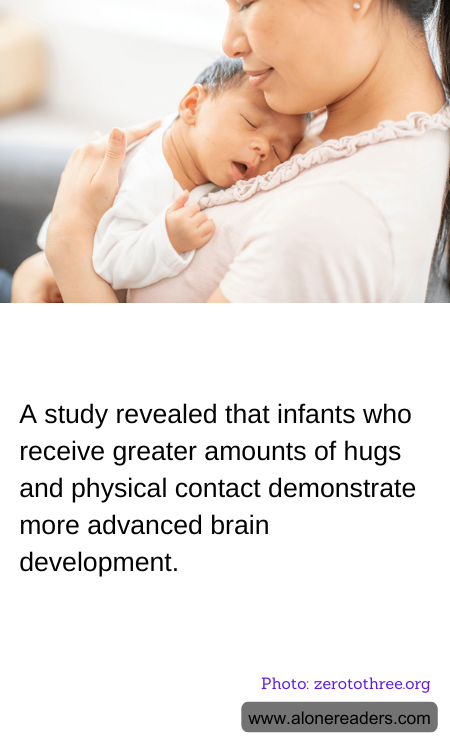
In a world where scientific discoveries continually reshape our understanding of human development, a recent study has illuminated the profound impact of physical affection on infants' brain development. This research underscores the importance of hugs and physical contact in nurturing not only emotional well-being but also cognitive advancement in young children.
The study, conducted by a team of neuroscientists and child development experts, observed a significant correlation between the frequency of physical contact and the rate of brain development in infants. Researchers meticulously monitored a diverse group of infants, documenting their interactions with caregivers and measuring subsequent brain growth and activity. The findings were compelling: infants who received more frequent hugs and physical contact exhibited more advanced brain development compared to those who experienced less physical affection.
The science behind this phenomenon is rooted in the understanding of how sensory experiences shape neural pathways. Physical contact, such as hugging, stimulates the release of oxytocin, often referred to as the "love hormone." This hormone plays a crucial role in social bonding and has been shown to reduce stress and promote feelings of safety and security. For infants, who are in a critical period of brain development, these positive sensory experiences can significantly influence the formation and strengthening of neural connections.
Moreover, the study highlights the broader implications of these findings for caregivers and society at large. In an era where technology often dominates our interactions, the research serves as a poignant reminder of the irreplaceable value of human touch. For parents and caregivers, it emphasizes the importance of incorporating physical affection into daily routines, not only as a means of comforting infants but as a vital component of their cognitive and emotional development.
The implications extend beyond individual families to inform public health policies and early childhood education programs. By prioritizing environments that encourage physical interaction and emotional bonding, society can foster healthier developmental outcomes for future generations. This research advocates for a holistic approach to child-rearing, where emotional and physical nurturing are recognized as foundational to a child's growth.
In conclusion, the study's revelations about the impact of hugs and physical contact on infant brain development offer a powerful testament to the simple yet profound influence of human touch. As we continue to explore the complexities of human development, these findings remind us of the fundamental need for connection and affection in nurturing the minds of tomorrow. By embracing the power of a hug, we can help lay the groundwork for a future where children thrive both emotionally and intellectually.