More About This Card
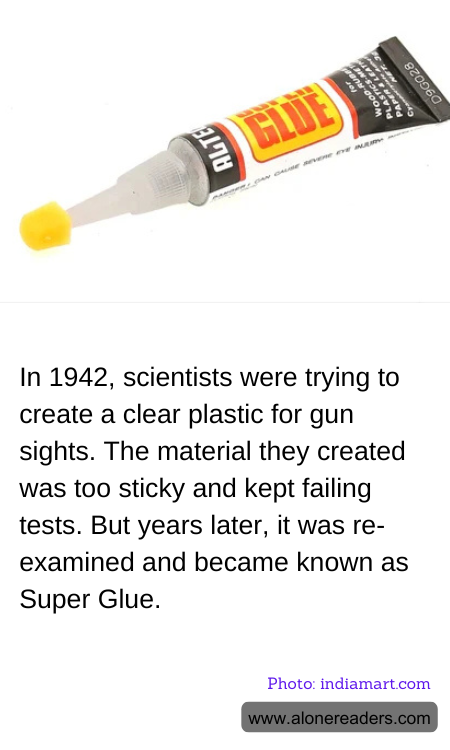
In the midst of World War II, innovation was a necessity, driving scientists and engineers to push the boundaries of technology and materials. Among these efforts was a project in 1942 aimed at developing a clear plastic for gun sights. The goal was to create a material that was both durable and transparent, enhancing the accuracy and effectiveness of firearms used by soldiers. However, the scientists encountered an unexpected challenge. The material they synthesized was excessively sticky and consistently failed the rigorous tests required for military applications.
The sticky substance was initially deemed a failure, as it did not meet the specific needs for which it was intended. Disappointed but undeterred, the researchers moved on to other projects, leaving the adhesive material largely forgotten. It wasn't until years later that the potential of this sticky compound was re-evaluated. In the post-war era, as industries and technologies evolved, the need for strong adhesives became apparent in various fields, from household repairs to industrial applications.
The rediscovery of this adhesive material marked a turning point. Upon further examination, scientists realized that the very properties that made it unsuitable for gun sights—its strong adhesion and quick bonding capabilities—could be incredibly useful in other contexts. This material was rebranded and introduced to the world as Super Glue, a name that has since become synonymous with quick and reliable bonding solutions.
Super Glue's versatility and strength quickly captured the imagination of consumers and industries alike. It could bond a wide range of materials, including metal, glass, ceramics, and plastics, making it an indispensable tool in both professional and domestic settings. Its ability to form a strong bond in seconds revolutionized the way people approached repairs and construction, offering a convenient and efficient alternative to traditional adhesives.
The story of Super Glue is a testament to the power of perseverance and the importance of re-evaluating past failures. What was once considered a setback in the quest for military innovation became a groundbreaking product that has found a place in homes and industries around the world. This transformation from a failed experiment to a household staple underscores the unpredictable nature of scientific discovery and the potential for innovation to emerge from unexpected places.
Today, Super Glue continues to be a staple in toolboxes and workshops, a reminder of how a simple mistake can lead to a revolutionary product. Its journey from a wartime laboratory to a global phenomenon highlights the importance of keeping an open mind and recognizing the value in what might initially seem like a failure.